Venue Layouts That Steer Game Selection Across Britain's Provincial Casinos
Felix Klein · Aug 20, 2026
Regional Casino Configurations Shaping Player Preferences Throughout Britain
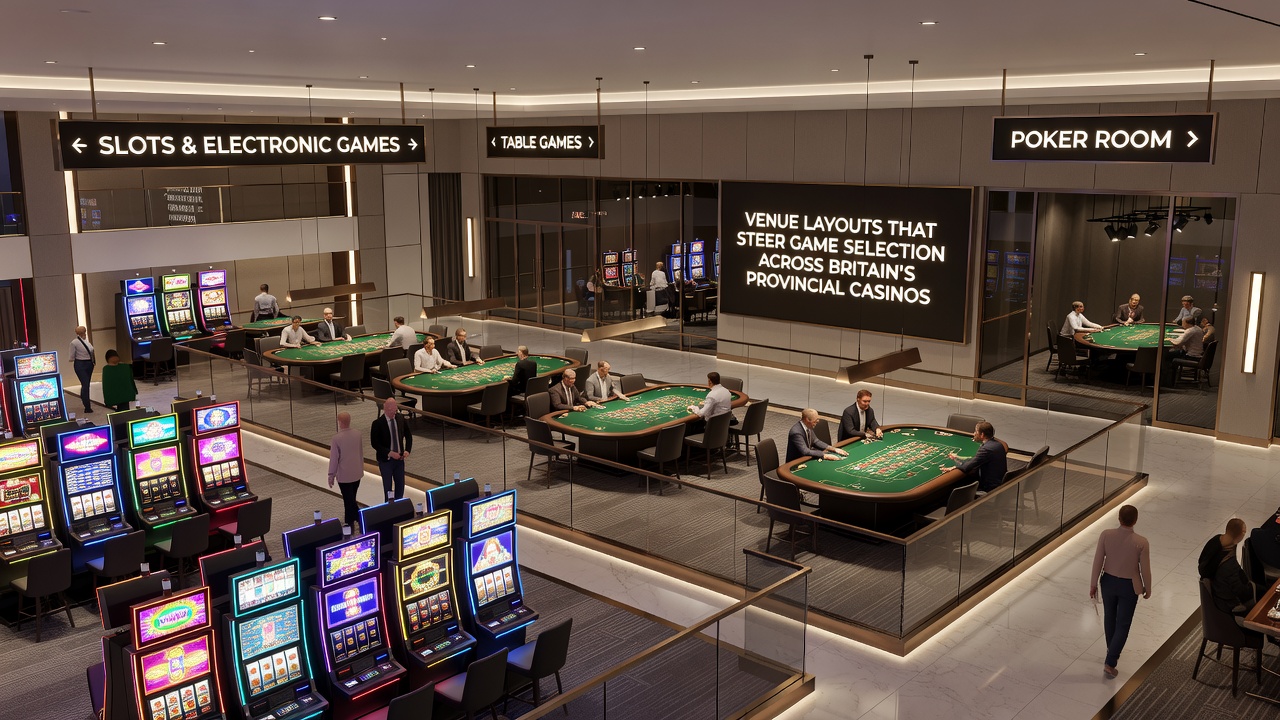
Provincial casinos across Britain arrange their spaces in deliberate patterns that guide players toward particular games, and data from venue operators shows these choices affect selection rates in measurable ways. Central placement of live dealer tables draws crowds early in the evening while perimeter slots capture longer sessions, according to operational reports compiled through 2025 and into August 2026. Observers note that traffic flow created by entrance positioning and bar proximity often determines whether visitors gravitate toward high-stakes tables or lower-stakes electronic options first. Designers divide floors into distinct zones that separate fast-play machines from slower table games, and this separation produces consistent patterns in what gets played most. Slots positioned near high-traffic walkways record higher utilization because players encounter them repeatedly during movement between areas, whereas poker rooms tucked into quieter corners attract dedicated groups who stay longer once seated. Research from the American Gaming Association indicates similar zoning strategies increase overall game engagement when pathways connect related activities without forcing direct competition between them. Lighting levels and sound design further steer selections by creating atmospheres suited to different game types. Brighter, energetic illumination around slot banks encourages quick decisions and repeated spins, while softer lighting over roulette and blackjack pits supports extended contemplation during play. Venue managers in cities such as Leeds and Sheffield report that adjusting these elements during renovations led to measurable shifts in table game participation without changing the games themselves.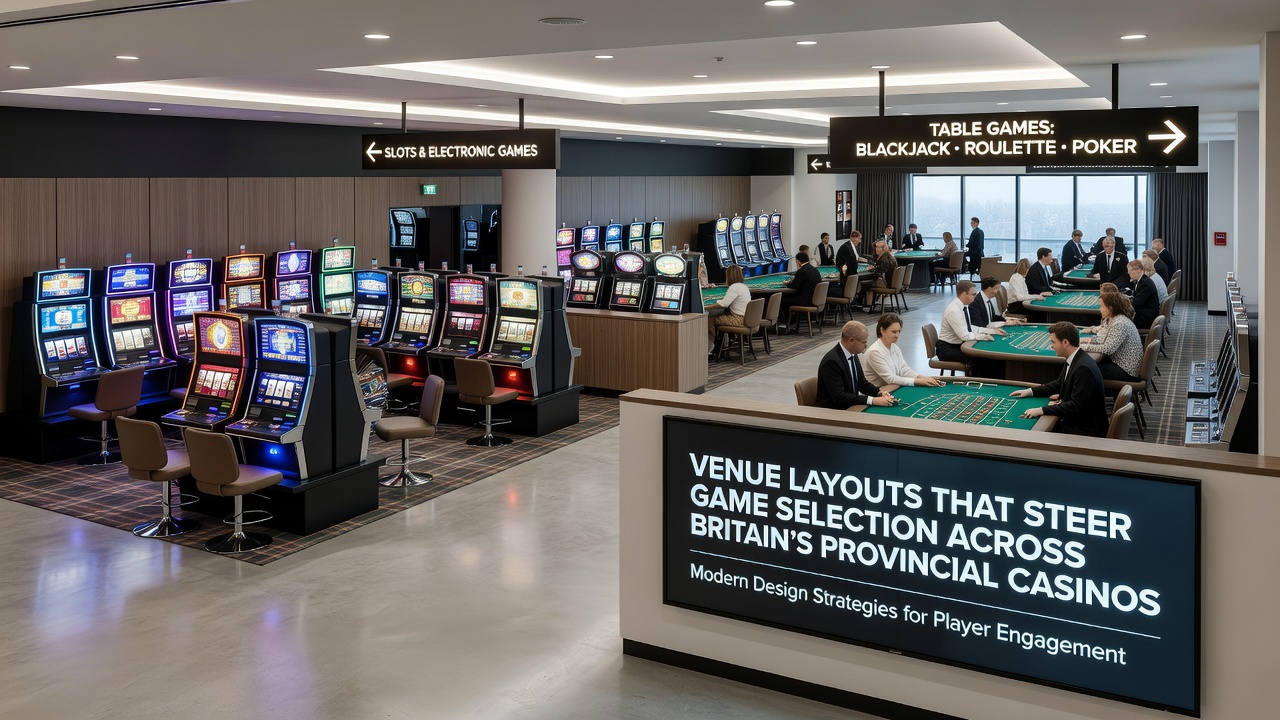 Electronic gaming areas placed adjacent to food service counters capture players during meal breaks, turning short pauses into additional play sessions. Provincial venues that integrated these functions during 2025 upgrades recorded increased machine usage during traditionally slower afternoon periods. Conversely, isolating poker rooms away from dining reduces interruptions and supports longer tournament formats that run through the evening.
Provincial casinos across Britain arrange their spaces in deliberate patterns that guide players toward particular games, and data from venue operators shows these choices affect selection rates in measurable ways. Central placement of live dealer tables draws crowds early in the evening while perimeter slots capture longer sessions, according to operational reports compiled through 2025 and into August 2026. Observers note that traffic flow created by entrance positioning and bar proximity often determines whether visitors gravitate toward high-stakes tables or lower-stakes electronic options first. Designers divide floors into distinct zones that separate fast-play machines from slower table games, and this separation produces consistent patterns in what gets played most. Slots positioned near high-traffic walkways record higher utilization because players encounter them repeatedly during movement between areas, whereas poker rooms tucked into quieter corners attract dedicated groups who stay longer once seated. Research from the American Gaming Association indicates similar zoning strategies increase overall game engagement when pathways connect related activities without forcing direct competition between them. Lighting levels and sound design further steer selections by creating atmospheres suited to different game types. Brighter, energetic illumination around slot banks encourages quick decisions and repeated spins, while softer lighting over roulette and blackjack pits supports extended contemplation during play. Venue managers in cities such as Leeds and Sheffield report that adjusting these elements during renovations led to measurable shifts in table game participation without changing the games themselves.Pathway Design and Game Visibility
Main circulation routes determine which games receive initial attention from arriving guests, and many provincial sites route entrants past popular machines before reaching table areas. This sequencing produces higher early-evening play on slots followed by migration to tables later, a pattern confirmed through heat-mapping studies conducted at multiple regional properties. Wide aisles that open directly onto poker pits, by contrast, increase visibility for that game and encourage spontaneous participation among groups arriving together. Signage placement reinforces these routes by highlighting certain zones while leaving others less obvious until players explore further. Digital displays near entrances promote live dealer options during peak hours, whereas static signs for progressive jackpot machines appear along secondary corridors. Such placement tactics maintain steady flow toward underutilized games without requiring staff intervention.Zone Clustering Effects on Player Behavior
Clustering related games together creates micro-environments that sustain interest once players commit to a section. Table games grouped near each other allow easy movement between blackjack and roulette without crossing slot zones, which reduces distraction and extends session length on those tables. Data shows this clustering raises average table game dwell time compared with layouts that scatter games more randomly.
Electronic gaming areas placed adjacent to food service counters capture players during meal breaks, turning short pauses into additional play sessions. Provincial venues that integrated these functions during 2025 upgrades recorded increased machine usage during traditionally slower afternoon periods. Conversely, isolating poker rooms away from dining reduces interruptions and supports longer tournament formats that run through the evening.