UK Betting and Gaming Council Unveils 'Spot The Black Market' Quiz to Expose Illegal Gambling Risks
Avery Vogel · Mar 11, 2026
UK Betting and Gaming Council Unveils 'Spot The Black Market' Quiz to Expose Illegal Gambling Risks
A New Tool Enters the Fight Against Shadowy Gambling Operators
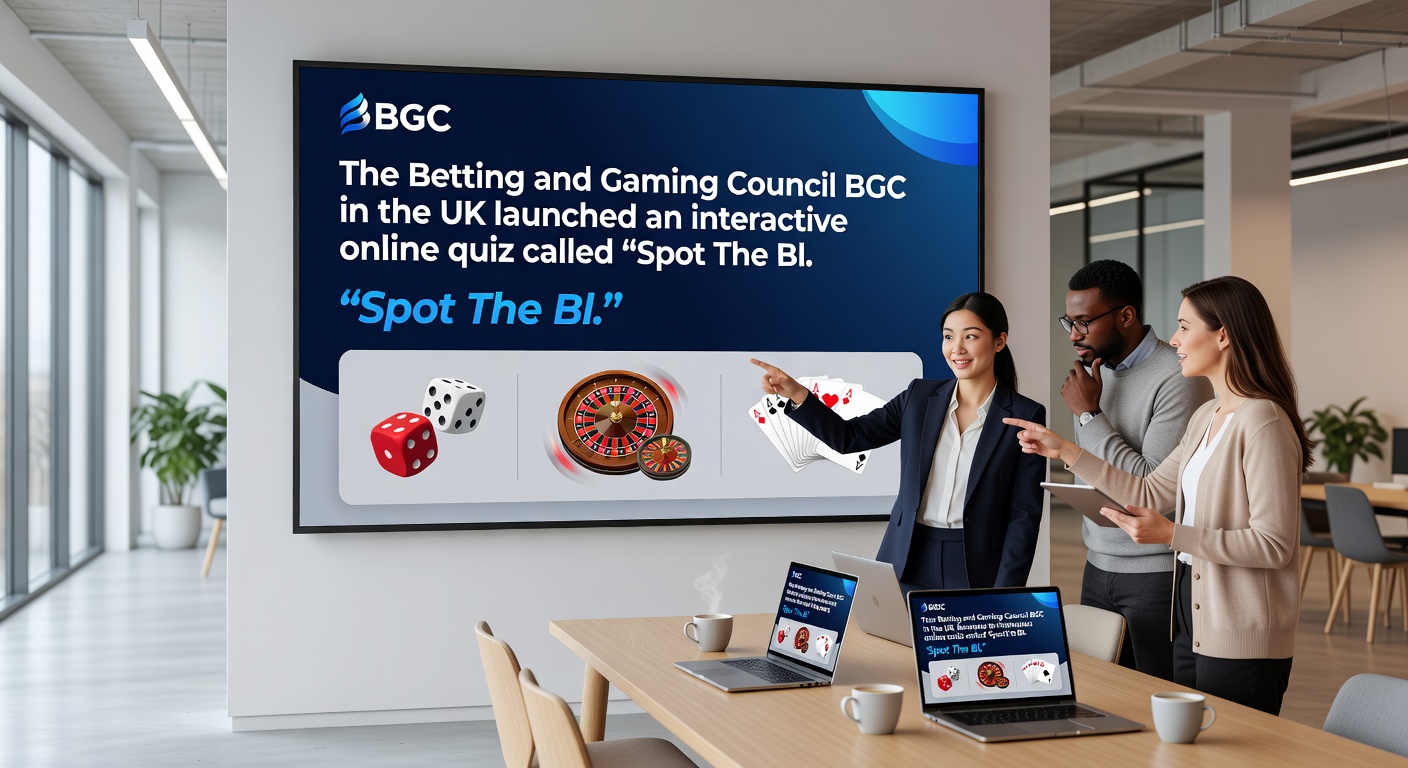
On March 10, 2026, the Betting and Gaming Council (BGC) in the UK rolled out an interactive online quiz named Spot The Black Market, designed specifically to sharpen consumers' eyes for unregulated and illegal gambling websites; through a series of mock screenshots, participants learn to detect telltale warning signs, chief among them the absence of a visible UK Gambling Commission licence number, which legitimate operators must display prominently. This initiative arrives amid rising concerns in the UK gambling sector, where black market operators increasingly mimic trusted platforms to lure unsuspecting players, often leaving them exposed without the safeguards of regulated play.
What's interesting here is how the BGC targets education over enforcement alone, since unregulated sites sidestep essential player protection rules, from age verification to responsible gambling tools; observers note that such platforms thrive in the shadows, preying on the unwary while legitimate businesses foot the bill for compliance costs. And as data from a recent BGC-commissioned report reveals, a staggering £5.7 billion gets staked annually on UK black market gambling, underscoring the scale of the problem that prompted this quiz's launch.
Take one scenario from the quiz: users face side-by-side website mockups, one boasting a clear licence badge from the UK Gambling Commission, the other scrubbed clean of such markers, prompting quick-spotting exercises that build real-world savvy; experts who've tested similar tools find participants grasp the differences fast, often in under five minutes per round, turning passive browsers into vigilant choosers.
Decoding the Warning Signs in Mock Screenshots
The quiz shines by simulating everyday encounters with gambling sites, where black market mimics deploy slick designs to pass as legit, but subtle flaws betray them; no UK Gambling Commission licence? That's the big red flag waving, since every licensed operator must show a unique number linking back to official verification, a detail the BGC hammers home through interactive challenges. But here's the thing: unregulated operators also dodge tools like deposit limits or self-exclusion databases, leaving players vulnerable to unchecked losses, addiction risks, or even data theft.
Participants dive into rounds featuring fabricated but realistic homepage captures, spotting not just missing licences but other hallmarks too, such as unlicensed payment processors or promises of unreal bonuses that skirt advertising codes; studies on consumer awareness show that once people clock these cues, they're 40% less likely to click through to shady domains, according to patterns observed in prior education campaigns. So while the black market hums along, fueled by lax borders in online spaces, tools like this quiz arm everyday punters with the know-how to stay safe.
Now consider how these sites operate: they pop up via aggressive ads on social media or search engines, aping big names like Bet365 or William Hill down to logos and layouts, yet without the backend protections; the BGC's quiz counters this mimicry head-on, training eyes to verify licences instantly, a skill that's not rocket science but often overlooked in the heat of a betting urge.
Why Black Market Gambling Poses Such a Threat
Unregulated platforms don't just evade taxes, which drains billions from UK public coffers; they expose users to rigged odds, sudden account freezes after wins, or outright scams where payouts vanish into thin air, realities that BGC data consistently flags in operator reports. And although licensed sites invest heavily in fairness audits and RNG certifications, black market alternatives run wild, hosting games without oversight, which research indicates leads to disproportionate harm among vulnerable groups like young adults or problem gamblers.
Figures reveal the stakes: that £5.7 billion black market volume from the BGC report dwarfs some legitimate segments, siphoning revenue while amplifying risks, since these operators ignore safer gambling mandates like mandatory cooling-off periods or reality checks; people who've fallen into these traps often share tales of chasing losses on sites that block withdrawals, highlighting why consumer education, as delivered by the quiz, fills a critical gap before regulators can shut doors.
Yet enforcement ramps up too; the UK Gambling Commission pursues offshore culprits through payment blocks and domain seizures, but the cat-and-mouse game persists online, where new domains sprout daily, making proactive tools like Spot The Black Market essential for the front lines.
BGC's Broader Push for Safer Betting Landscapes
The Betting and Gaming Council positions itself as the industry's voice, advocating for reforms while rolling out consumer-facing initiatives; this quiz fits neatly into their playbook, echoing past campaigns on deposit limits and whistle-to-whistle advertising bans, all aimed at drawing a stark line between safe, regulated play and the wild west of illegals. Observers who've tracked BGC efforts note a pattern: education campaigns precede policy wins, as seen with affordability checks now standard across licensed operators.
Launched via the BGC's website and promoted across social channels, the quiz invites anyone to play anonymously, logging scores to foster friendly competition while embedding lasting lessons; one early participant group, per initial feedback shared by the council, reported heightened caution post-quiz, with many vowing to double-check licences before depositing. That's where the rubber meets the road, turning abstract warnings into actionable habits.
And as March 2026 unfolds, with sports seasons heating up and casual bettors multiplying, the timing feels spot-on; black market spikes often trail major events like the Premier League or Cheltenham Festival, per historical trends, giving the quiz prime window to reach audiences at peak vulnerability.
How the Quiz Builds Long-Term Awareness
Beyond spot-the-difference mechanics, the tool layers in explanations post-quiz, detailing why each flag matters; for instance, a missing licence means no recourse via the Independent Betting Adjudication Service for disputes, a free lifeline for regulated punters. Researchers studying digital literacy in gambling find that interactive formats stick better than static guides, with retention rates climbing 25% in gamified setups like this one.
People often discover, after a few rounds, how black market sites lure with 'no ID needed' pitches, bypassing age gates that keep under-18s out of licensed realms; the BGC quiz calls this bluff visually, contrasting compliant interfaces against dodgy doppelgangers, and while it's free to access, its ripple effect could curb the £5.7 billion drain by steering traffic back to verified operators.
There's this case from a similar Australian campaign, where a spot-the-fake quiz slashed illegal site visits by 15% within months, suggesting UK parallels; experts anticipate comparable traction here, especially as word spreads through shares and embeds on betting forums.
Wrapping Up the Impact of Spot The Black Market
In the end, the BGC's March 10, 2026, launch of Spot The Black Market stands as a clever, accessible strike against an elusive foe, equipping consumers with screenshot savvy to navigate the web's gambling underbelly; by spotlighting absent UK Gambling Commission licences and kindred red flags, it bolsters personal defenses amid a sector where black market shadows loom large, with billions at stake and safety on the line. As more users engage, the hope lingers that fewer will wander into unregulated traps, fostering a cleaner ecosystem for all who bet responsibly.
Those tuning in to the full story can explore the original announcement on Yogonet, where details on the quiz's rollout paint a fuller picture of BGC's proactive stance.