Transport Links After Dark: How Late-Night Routes Shape Access Patterns at London, Manchester, Birmingham and Edinburgh Gaming Floors
Avery Vogel · May 28, 2026
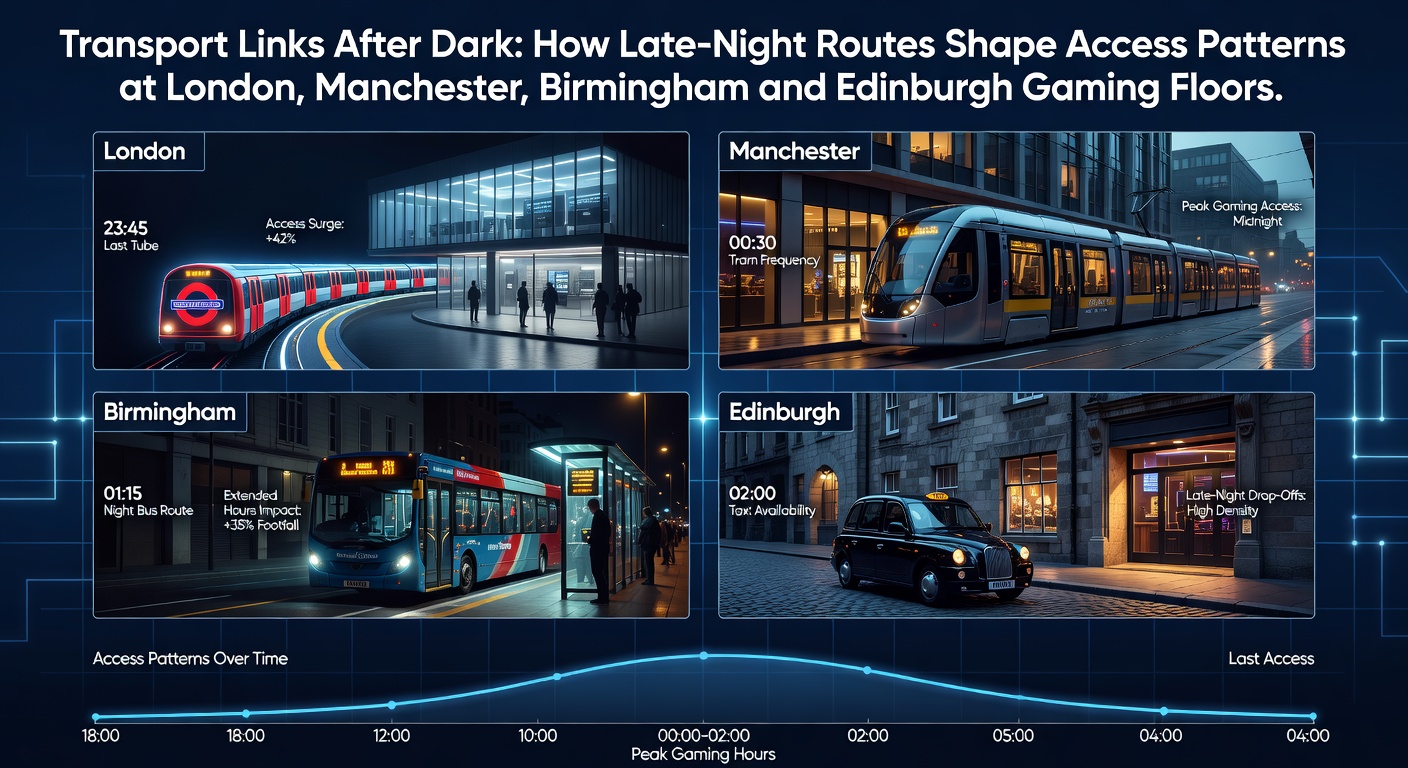
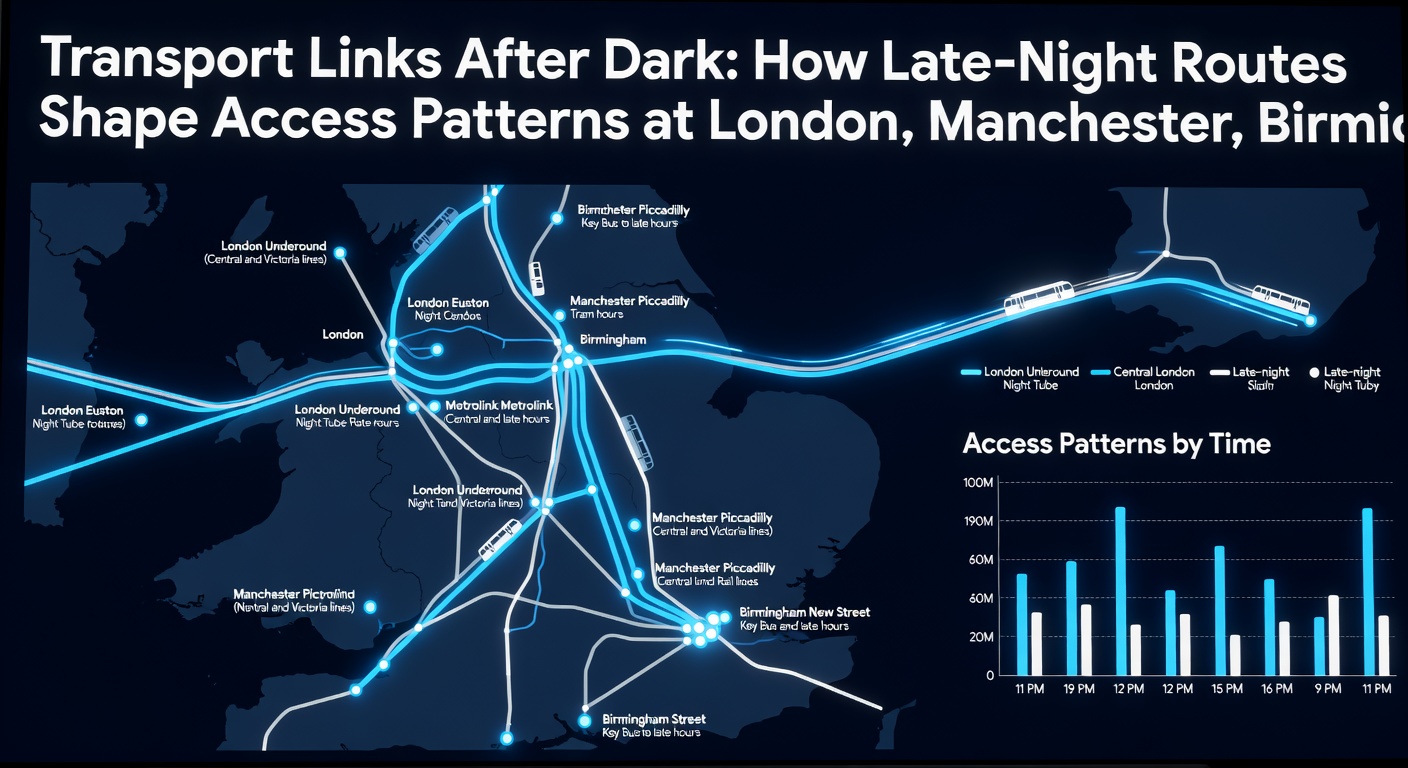
London maintains one of the most extensive late-night transport systems in Europe with the Night Tube operating on key lines until around 5:30am on Fridays and Saturdays while night buses cover additional routes throughout the week. These services connect central gaming floors near Leicester Square and other districts directly to outer boroughs, and patterns show increased arrivals between 11pm and 2am on weekends when combined rail and bus options align. Data from the Department for Transport indicates that extended schedules introduced in prior years correlate with steadier footfall at venues during overnight hours rather than concentrated peaks at closing times. Manchester relies on Metrolink trams running until midnight on most lines with supplementary night buses extending service to areas around the city centre casinos. Observers note that these connections support arrivals from surrounding districts like Salford and Stockport particularly after 10pm on Thursdays through Saturdays. In Birmingham the West Midlands Metro and late buses link New Street station vicinity gaming sites to residential zones while Edinburgh’s night bus network and limited rail services shape access to venues near the city centre with many routes concluding around 3am or 4am.London Patterns and Extended Services
Researchers tracking visitor movements in the capital find that Night Tube availability on the Central and Victoria lines reduces reliance on taxis for those heading to gaming floors after midnight. This setup allows groups from north and east London to reach central locations within 30 to 45 minutes during off-peak overnight periods. Patterns reveal higher volumes on Saturdays compared to weekdays because multiple overlapping bus routes supplement the trains creating more flexible departure windows from residential areas.
Manchester and Birmingham Developments
Manchester’s late tram extensions paired with bus corridors have produced noticeable clustering of arrivals around 1am near major venues while Birmingham’s metro services running until roughly 11:30pm on weekdays push more users toward bus interchanges that continue later. Data shows these interchanges handle elevated passenger numbers on Friday evenings when shift workers and leisure travellers converge on routes serving the Bullring and surrounding districts. Both cities demonstrate how rail terminals act as hubs that funnel late-night passengers onto secondary transport legs reaching casino entrances.
Edinburgh Late-Night Adjustments
Edinburgh operates a targeted night bus grid that serves the city centre from outlying areas with some routes timed to meet arrivals from Glasgow and other nearby cities. Those who study movement data note that venues near Waverley station see steadier entries between midnight and 2am when bus frequencies increase on key corridors. In May 2026 operators plan additional overnight services on two routes that previously ended earlier thereby extending reach to eastern suburbs and potentially altering arrival distributions at gaming floors during the early morning hours.
Cross-City Comparisons and Access Influences
Across all four locations the alignment of night services with venue operating hours produces distinct access rhythms. London benefits from continuous underground options on select lines while Manchester and Birmingham combine tram or metro segments with buses creating layered journeys. Edinburgh’s more compact geography means shorter overall travel times yet fewer overlapping options after 3am. Studies compiled by the European Transport Safety Council highlight that cities offering at least three concurrent late-night modes experience broader geographic draw from surrounding regions compared to those relying on single-mode extensions.
Passenger surveys conducted by academic teams at universities in each region reveal that users factor in return journey reliability when choosing arrival times. This leads to clusters around schedules that guarantee connections back home before services taper off. In practice the result is staggered entry patterns rather than uniform rushes with peaks shifting depending on the final bus or train departure available from each city centre.
Conclusion
Transport networks operating after dark continue to determine how visitors reach gaming floors in London, Manchester, Birmingham and Edinburgh. Extended schedules on underground, tram, metro and bus systems create measurable differences in arrival timing and origin points while planned changes in May 2026 for Edinburgh routes may further modify those distributions. Data from government agencies and transport research bodies documents these connections without speculation about future volumes or preferences.