Tracing Player Pathways Through Live Action Zones in Britain's Regional Gaming Venues
Felix Klein · Jun 6, 2026
Tracing Player Pathways Through Live Action Zones in Britain's Regional Gaming Venues
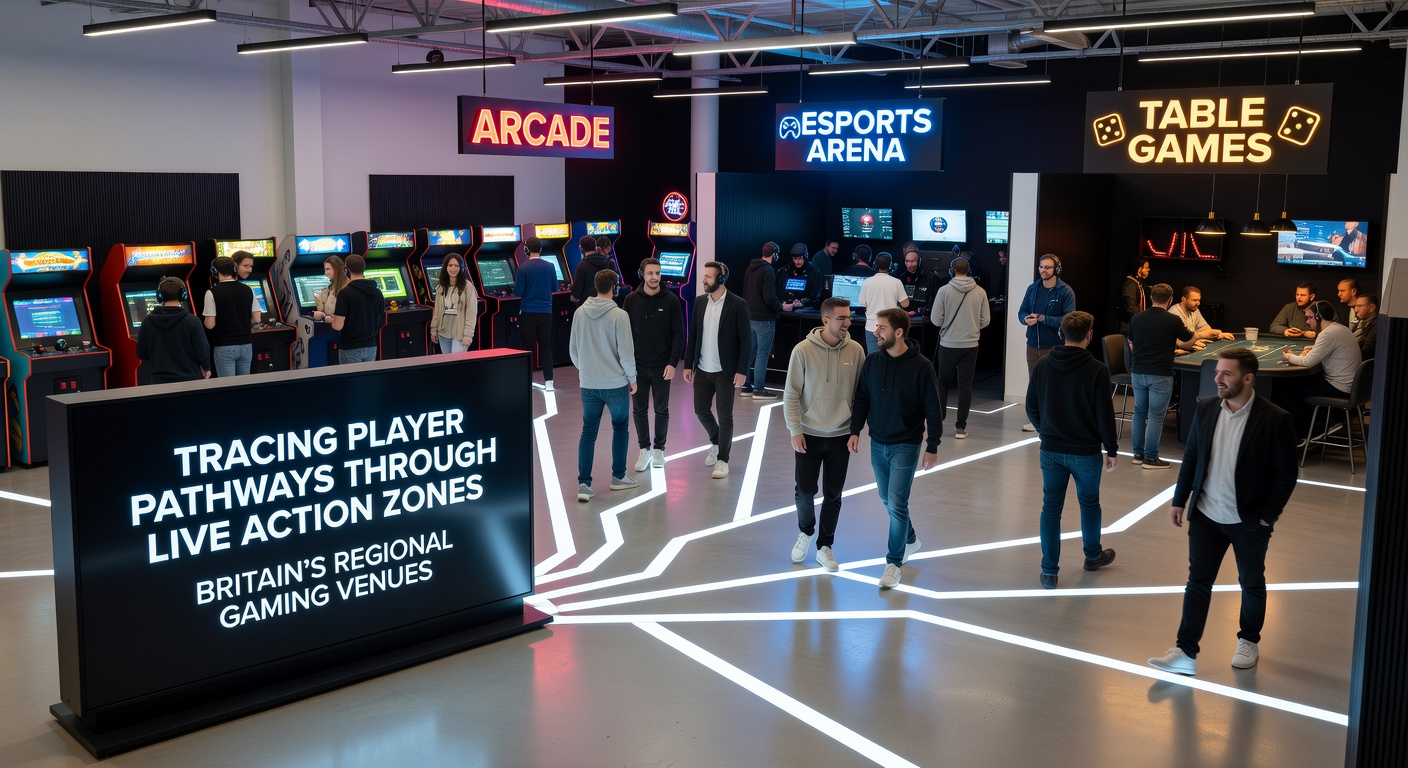
Player movement through live action zones in Britain's regional gaming venues follows structured patterns that operators map through entry points, central walkways, and dedicated table clusters. These zones typically include live dealer stations alongside poker pits, with pathways designed to guide visitors from reception areas toward high-traffic tables while maintaining clear circulation routes. Data collected from venue sensors shows consistent flows during peak evening hours, when individuals often proceed from slot machine banks into adjacent live gaming sections before settling at specific stations.
Entry Sequences and Initial Navigation
Regional venues across England, Scotland, and Wales establish similar entry sequences that direct arrivals past information desks and toward the main gaming floor. Observers note that first-time visitors frequently pause at perimeter displays before advancing into live action areas, where they encounter signage indicating table minimums and game types. Research from the International Gaming Institute indicates these initial steps shape subsequent route choices, with many players opting for clockwise circuits that pass multiple live dealer configurations before committing to a seat.
Core Live Action Zone Layouts
Live action zones occupy central floor sections in most regional establishments, featuring clusters of tables arranged to optimize dealer visibility and player sightlines. Poker pits sit adjacent to these setups in many venues, creating natural transition points where individuals shift between game formats during extended visits. Floor plans reveal that these arrangements incorporate curved walkways and strategic barriers to manage density without restricting movement, allowing smooth progression from one activity to the next. Figures from industry reports show average dwell times in these zones range from forty-five to ninety minutes per session, with variations tied to table occupancy levels.
Regional Variations in Pathway Design
Venues in northern and midland locations tend to emphasize wider corridors that accommodate larger groups moving between live dealer tables and refreshment areas, whereas southern regional sites often integrate more compact routing to fit constrained footprints. June 2026 updates to several properties introduced refined zoning that separates high-limit tables from standard play sections through subtle elevation changes and lighting adjustments. These modifications reflect ongoing efforts to streamline player progression based on observed traffic data collected over multiple quarters.
Tracking systems installed in select locations capture timestamped movement logs that highlight preferred routes from live action zones back to entry points or side exits. Such information helps operators adjust staffing and table rotations during busy periods, particularly when tournaments or special events increase overall attendance. A study released by the European Gaming and Betting Association examined similar patterns across comparable European sites and found that integrated pathway signage reduces average navigation time by measurable margins.
Technology Integration and Data Collection
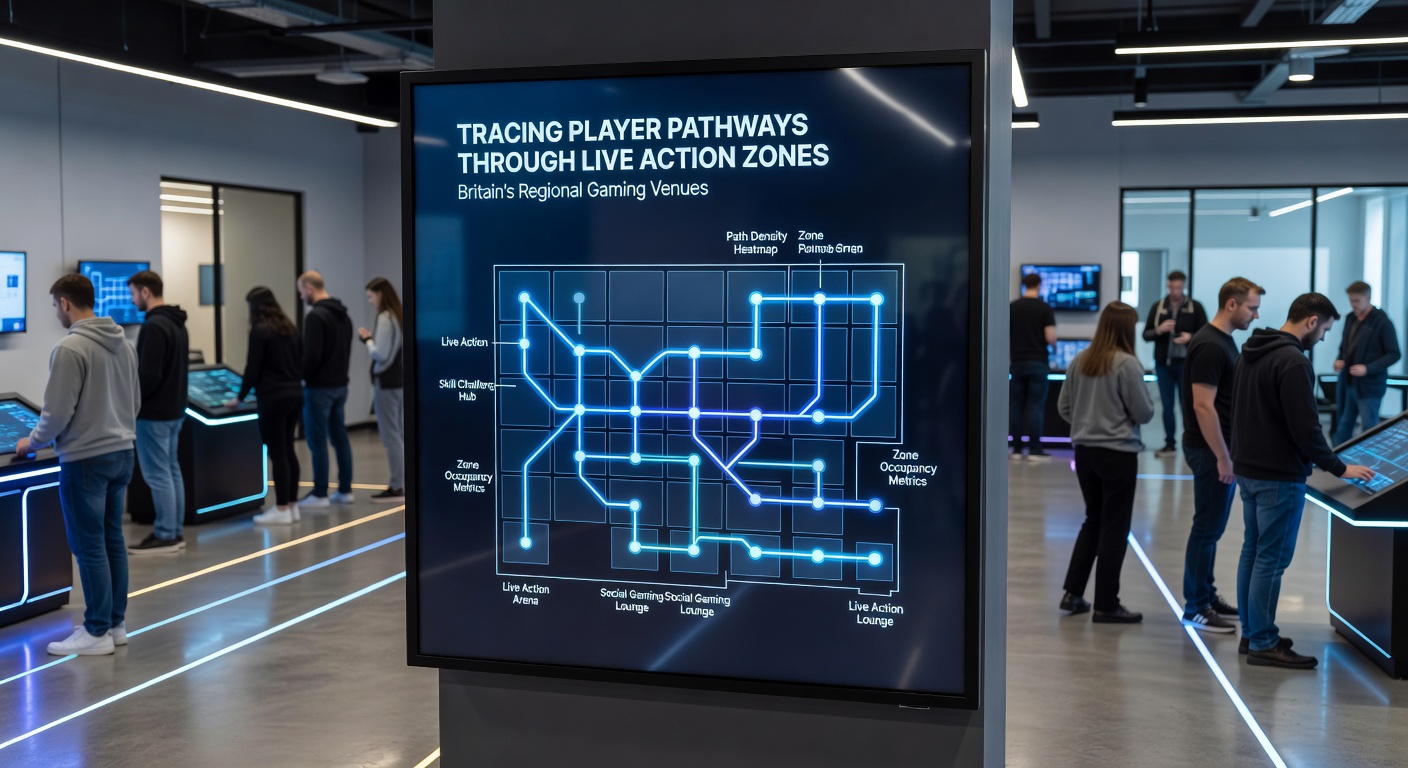
Many operators now deploy discreet sensor networks and mobile applications that record pathway preferences without direct player interaction. These tools generate heat maps showing concentration points around popular table types, enabling targeted adjustments to furniture placement and promotional displays. Experts in venue management note that such analytics support decisions on staffing levels and game variety, particularly in live action zones where dealer changes occur at fixed intervals. Data indicates that players who follow consistent routes tend to extend their visits when clear sightlines connect multiple game options.
Player Behavior Patterns Across Sessions
Those who frequent regional gaming venues often establish repeated pathways that connect specific live action tables with rest areas or observation zones. Weekend patterns differ from weekday flows, with larger parties splitting into subgroups that reconvene at predetermined points. Research indicates that individuals returning to the same venue multiple times demonstrate increasing familiarity with layout features, resulting in faster transitions between live dealer and poker sections. Venue records from 2025 and early 2026 document these shifts through aggregated movement statistics that avoid personal identification.
Conclusion
Pathway tracing in Britain's regional gaming venues continues to evolve through sensor data, layout refinements, and cross-industry reports that inform operational choices. These systems support efficient circulation while preserving the distinct character of live action zones across diverse locations. Continued collection of movement metrics through 2026 and beyond will likely refine existing models further, providing clearer insights into how visitors interact with table configurations and connecting spaces.