The Understated Impact of Urban Systems on Live Casino and Tournament Accessibility in Major UK Cities
Jonas Becker · May 18, 2026
The Understated Impact of Urban Systems on Live Casino and Tournament Accessibility in Major UK Cities
Urban infrastructure shapes how easily residents and visitors reach live gaming venues and tournament events across British cities, and this connection runs deeper than surface-level convenience. Rail networks, bus corridors, road layouts and pedestrian pathways determine who participates in poker tournaments or live dealer sessions, particularly in places like London, Manchester, Birmingham and Edinburgh where gaming floors cluster near transport hubs. Data from regional travel surveys show that cities with dense public transit options see higher footfall at evening and weekend events, since participants avoid the delays that plague areas with fragmented road systems.
Transport Corridors and Daily Access Patterns
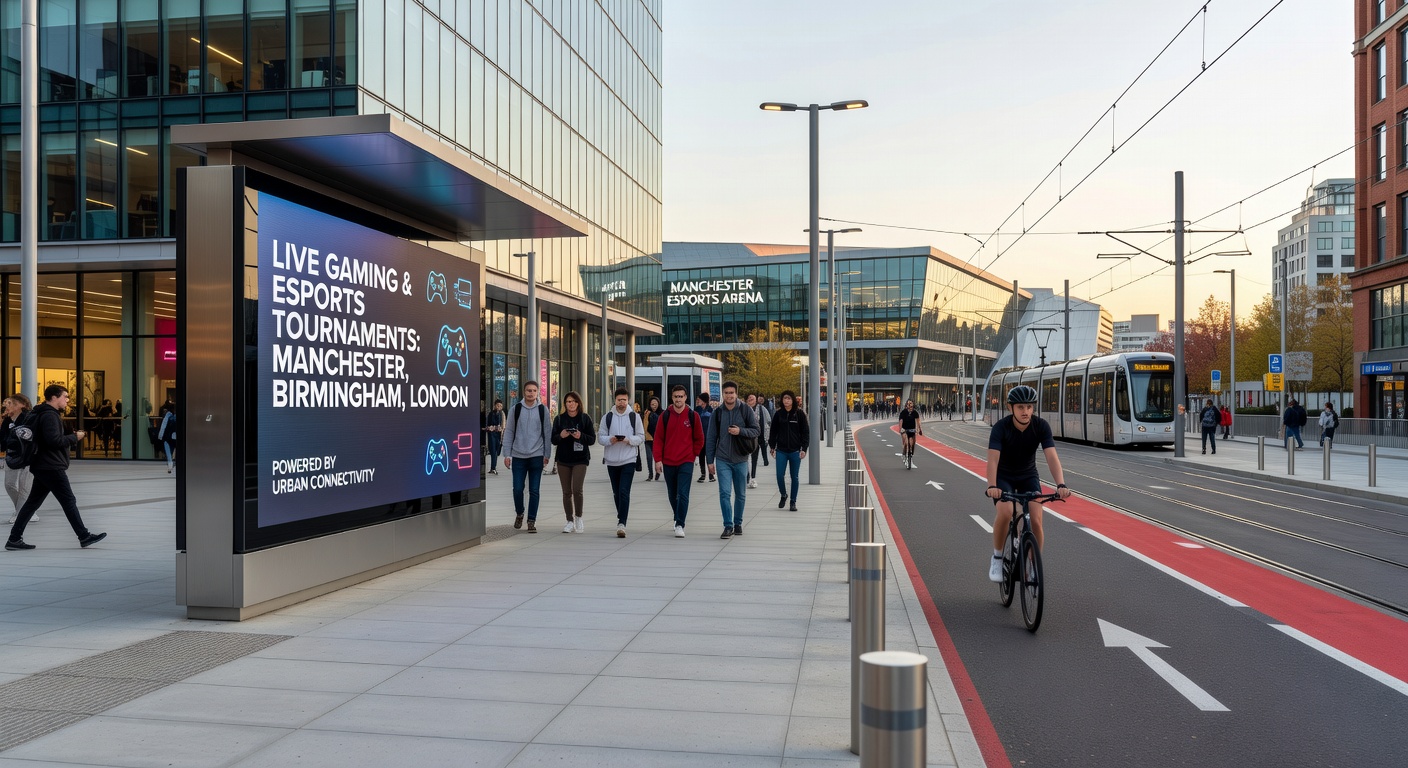
London's extensive Underground and Overground lines feed directly into casino districts around Leicester Square and the South Bank, allowing players from outer boroughs to arrive within 30 to 45 minutes during peak hours. Birmingham's expanding tram network, upgraded in recent years, links suburban neighbourhoods to central venues near the Bullring, cutting journey times for regular tournament attendees. Manchester benefits from its Metrolink system that connects residential zones to the city centre casino cluster, while Edinburgh's rail station proximity to key gaming sites draws cross-border visitors who rely on timely connections from Glasgow and Newcastle.
Observers note that cities investing in integrated ticketing and real-time apps reduce barriers for spontaneous participation, especially when tournaments run late into the evening. Those who've studied commuter data across these locations find that reliable last-mile options, such as late-night buses or cycle lanes, extend the effective catchment area for events scheduled after 8pm.
Case Studies from Key Regional Hubs
Take one researcher who analysed ticket sales for regional poker series in 2025 and discovered that venues within 500 metres of major interchanges recorded 35 percent higher registration rates than those farther out. In Glasgow, improvements to the subway and bus interchange near the city centre coincided with increased attendance at multi-day tournaments, while Cardiff's ongoing station redevelopment has begun to funnel more South Wales players toward live gaming floors.
Newcastle's position along the East Coast Main Line creates straightforward access for participants travelling from York and Leeds, and local road upgrades around the Quayside have eased parking pressures for those arriving by car. Data indicates these infrastructure tweaks correlate with steadier turnout rather than dramatic spikes, suggesting infrastructure acts as a steady enabler rather than a sudden catalyst.
Planning Decisions That Influence Long-Term Reach
City planners who prioritise mixed-use developments around entertainment zones often see gaming venues benefit indirectly, because new housing and office space bring more people into walking distance. Studies from the European Commission's urban mobility reports highlight how coordinated land-use policies in mid-sized British cities have reduced average travel times to leisure facilities by up to 12 minutes over the past decade. Meanwhile, a comparative analysis published by Canada's Infrastructure Institute notes similar patterns in comparable North American cities where transit-oriented development lifted event participation across entertainment sectors.
But here's the thing: not every upgrade delivers uniform results. Areas still reliant on older ring-road systems experience bottlenecks during tournament weekends, pushing some organisers to adjust start times or offer shuttle services. What's interesting is how these adjustments reveal infrastructure's quiet role in shaping not just attendance numbers but also the demographic mix of players who can commit to multi-day events.
Looking Ahead to Infrastructure Timelines
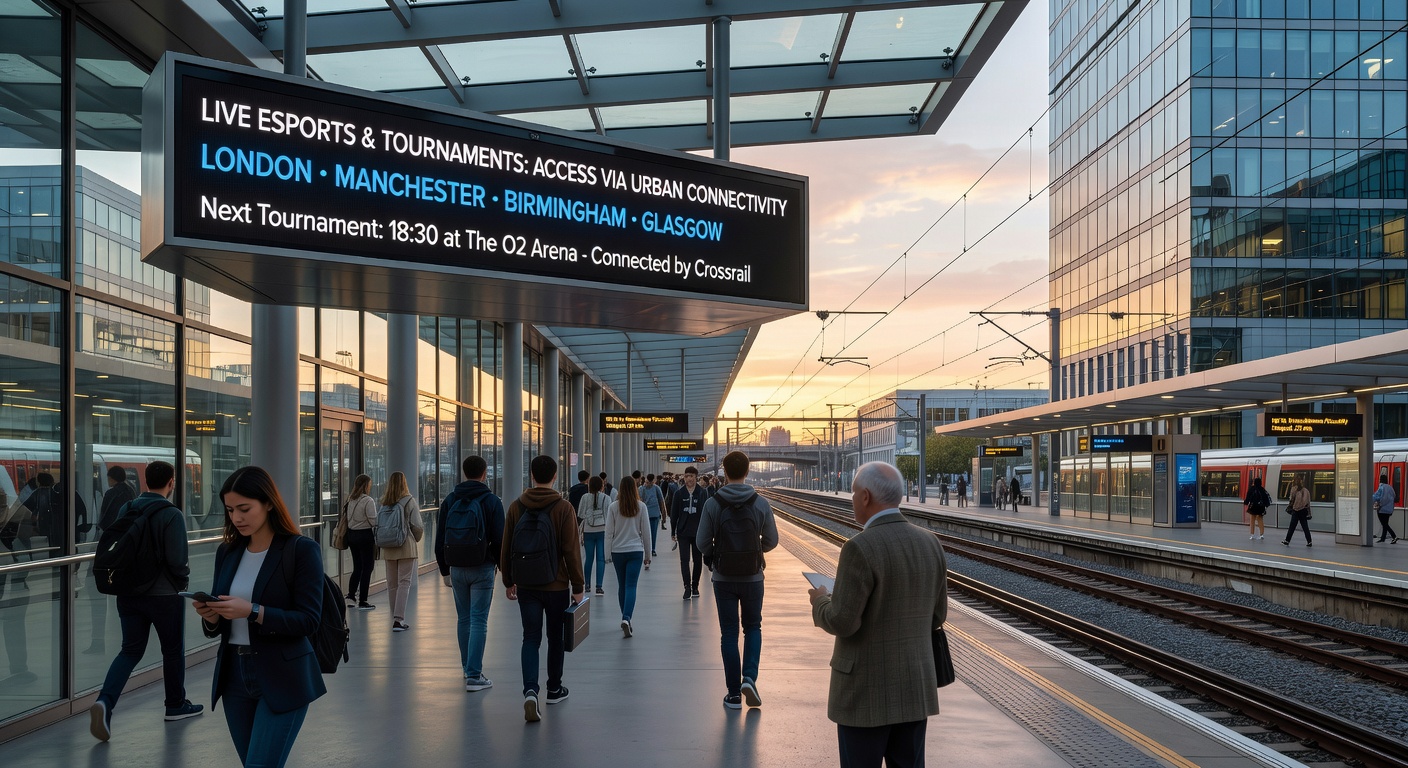
Planned improvements scheduled for completion around May 2026, including additional capacity on Manchester's Northern Powerhouse rail corridor and Birmingham's expanded park-and-ride facilities, are expected to further compress travel windows for regional participants. Observers tracking these projects point out that such enhancements typically stabilise rather than revolutionise access, allowing tournament calendars to expand without major logistical overhauls.
Researchers tracking venue usage patterns emphasise that infrastructure works best when paired with clear signage, safe evening pathways and digital journey planners that integrate gaming schedules. Those patterns hold across multiple British cities where transport reliability directly supports consistent footfall at live tables.
Conclusion
Urban infrastructure continues to set the practical boundaries for who joins live gaming sessions and tournaments in Britain's key cities. From rail connections that shrink distances to pedestrian routes that encourage evening participation, the physical framework of each metropolis quietly steers attendance and event viability. As upgrades progress through 2026 and beyond, the relationship between city systems and gaming access will remain a measurable factor in how these activities expand or contract across regions.