Sculpting Serendipity: Geometric Layouts Guiding Movement Patterns Through Britain's Casino Landscapes
Avery Vogel · Jun 11, 2026
Sculpting Serendipity: Geometric Layouts Guiding Movement Patterns Through Britain's Casino Landscapes
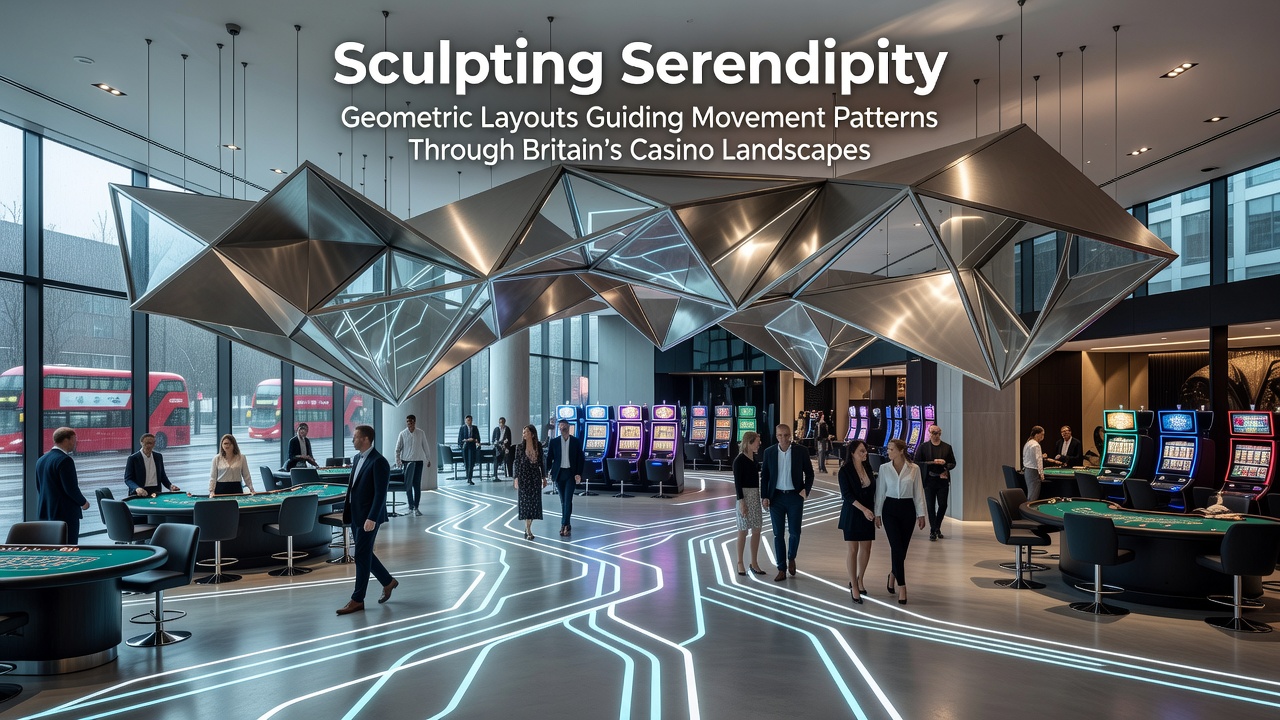
British casino operators have refined spatial arrangements over decades to shape how visitors navigate gaming floors, and these designs draw on geometric principles that encourage specific movement sequences. Floor plans often incorporate radial pathways and angular transitions that connect slot areas to table games, while curved barriers create natural pauses at high-traffic zones. Data from venue audits shows that such configurations increase dwell time at secondary gaming stations by directing foot traffic past promotional displays and refreshment points.
Architects working with casino groups apply principles from environmental psychology to position gaming zones, and rectangular grids frequently give way to hexagonal clusters that allow multiple sightlines across the room. This approach appears in several large venues where central atriums funnel movement outward toward perimeter poker rooms and live dealer sections. Observers note that the resulting patterns reduce congestion at entry points during peak evening hours and create predictable loops that keep players circulating without abrupt dead ends.
Core Geometric Strategies in Floor Planning
Design teams rely on symmetry and asymmetry in equal measure when laying out machines and tables. Symmetrical arrangements around central pillars establish clear navigational anchors, whereas asymmetrical alcoves tucked along outer walls house quieter gaming options that appeal to different player demographics. Research conducted by the European Gaming and Amusement Association indicates these mixed layouts correlate with broader distribution of activity across an entire venue rather than concentration in one dominant area.
Path widths follow calculated ratios derived from visitor volume studies, and corridors measuring between 1.8 and 2.4 metres accommodate steady flows while still permitting side excursions into themed gaming pods. Angled intersections replace straight corridors in many updated properties because they slow walking speed just enough for visual engagement with nearby games. Operators report that these subtle adjustments produce measurable upticks in cross-category play, particularly when slot banks transition into roulette and blackjack zones through graduated colour palettes on flooring materials.
Regional Adaptations Across Britain
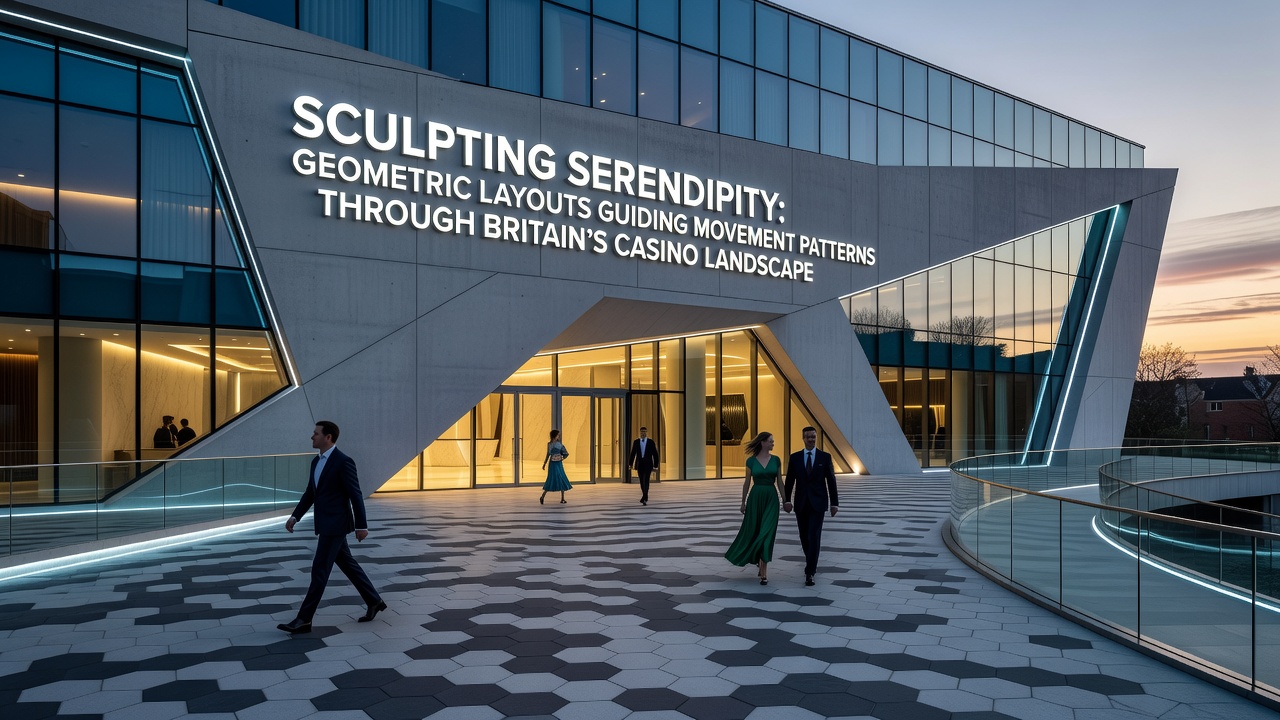
Venues in northern cities tend to favour compact, interlocking geometric modules that maximise floor space within historic buildings, whereas southern properties often incorporate larger open-plan grids suited to newer constructions. In both cases, movement patterns are calibrated to align with local transport schedules, so that arrival surges from nearby stations translate into immediate engagement with entry-level gaming stations. Planners integrate digital wayfinding screens at key nodes to reinforce the physical geometry and guide first-time visitors along intended routes.
June 2026 brought several refurbishment announcements that highlighted continued investment in these layout techniques, with operators commissioning fresh traffic-flow simulations before finalising any changes. These simulations draw on heat-mapping technology to test proposed arrangements against projected attendance figures, ensuring that revised geometries maintain efficient circulation even during promotional events.
Technology Integration and Real-Time Adjustments
Modern casinos embed sensors beneath flooring surfaces to track aggregate movement trends without capturing individual identities, and the resulting datasets inform periodic layout tweaks. When analytics reveal underused corridors, operators may reposition low-stakes tables or introduce temporary partitions that redirect flow toward underperforming sections. Such responsive design maintains the overarching geometric framework while allowing micro-adjustments that respond to seasonal variations in attendance.
Lighting grids follow the same geometric logic, with overhead fixtures aligned to pathway axes so that illumination gradients reinforce the intended direction of travel. Researchers at the University of Nevada, Las Vegas Gaming Innovation Lab have documented similar practices internationally, noting that coordinated light and spatial cues produce consistent navigation behaviours across different cultural contexts.
Future Directions in Spatial Design
Planning documents released by several major operators outline continued refinement of these geometric systems through 2027, with emphasis on modular elements that can be reconfigured without full renovations. Flexible partitions mounted on tracks allow venues to test new angular arrangements during quieter periods before committing to permanent fixtures. Industry reports from the Canadian Gaming Association highlight parallel developments in North American markets, where comparable sensor-driven layout optimisation has yielded efficiency gains in player distribution.
These evolving practices demonstrate how Britain's casino landscapes continue to treat spatial geometry as an active component of the gaming experience rather than a static backdrop. The interplay between fixed architectural lines and responsive adjustments keeps movement patterns aligned with operational goals while preserving the exploratory quality that encourages extended visits.
Conclusion
Britain's casino operators apply measurable geometric principles to guide visitor circulation through carefully sequenced zones, supported by ongoing data collection and periodic recalibration. Regional variations reflect building constraints and local demographics, yet the underlying strategies remain consistent across the country. As simulation tools and sensor networks advance, these layouts are expected to become even more precise in directing flow and balancing activity across diverse gaming offerings.