Grosvenor Casino Swansea Closes Permanently After Years of Declining Performance
Jonas Becker · Sep 5, 2026
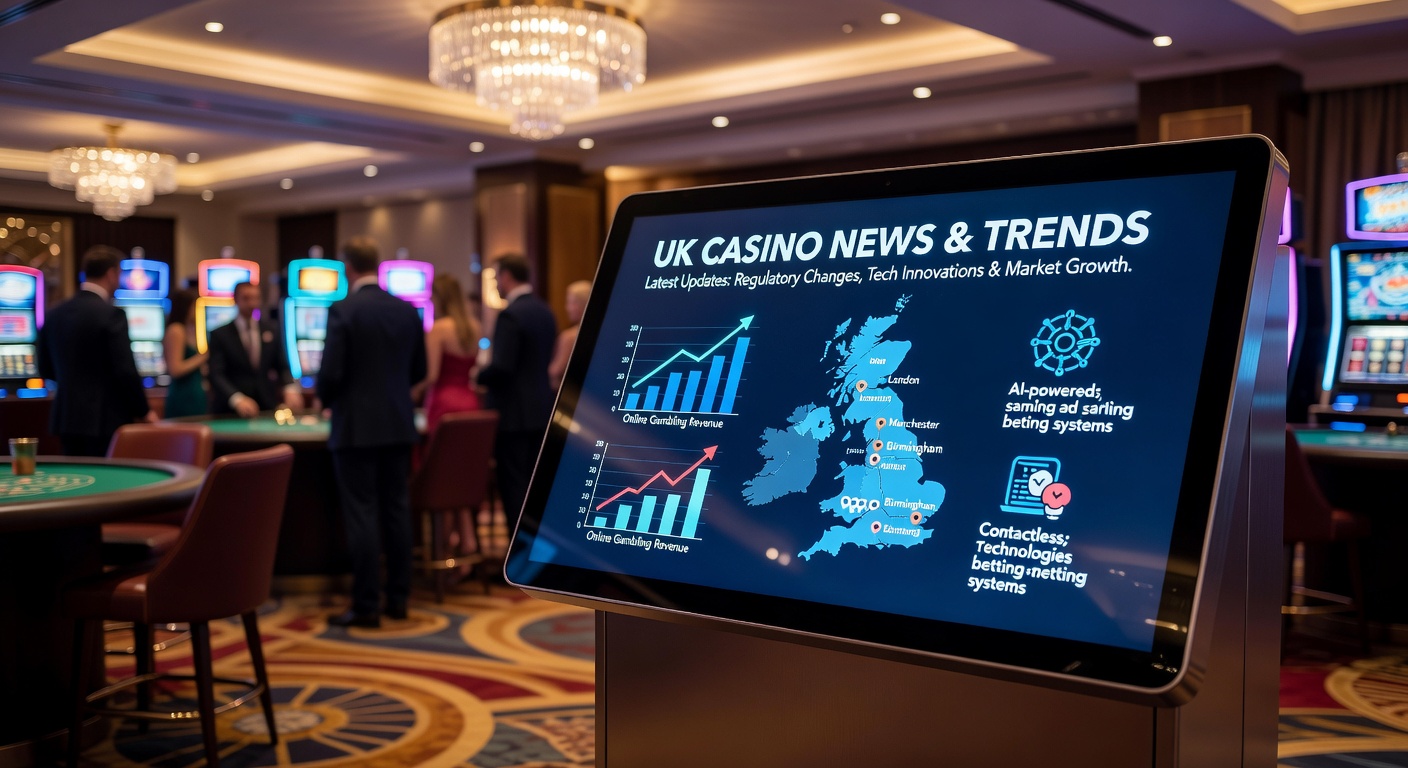
Grosvenor Casino Swansea Closes Permanently After Years of Declining Performance
The Grosvenor Casino in Swansea, Wales, shut its doors for good on August 30, 2026, following sustained financial pressures that included an operating loss of £73,000 for the year ending June 28 along with revenue that fell £635,000 short of budget targets. The operator linked the decision to operating costs that had climbed 11 percent over three years and profitability that had dropped 107 percent across a decade, marking another site closure for Grosvenor Casinos under the Rank Group umbrella in the UK land-based sector.
Staff members immediately raised concerns about alterations to redundancy agreement terms after the announcement, and those disputes continued into September 2026 as employees sought clarification on payout schedules and notice periods. The timing of the closure left some workers questioning whether earlier communication could have altered outcomes, while company representatives maintained that the changes reflected standard adjustments once final trading figures became available.
Financial Pressures Behind the Decision
Data from the year ending June 28 showed clear shortfalls that accumulated despite efforts to stabilize the venue, and observers note that rising expenses outpaced any revenue recovery attempts. Over the longer term, a 107 percent decline in profitability over ten years created a trajectory that made continued operation untenable according to internal assessments shared with employees. The Rank Group attributed the outcome to structural challenges common across certain regional sites, where fixed costs and market conditions combined to erode margins steadily.
One study of similar UK casino closures revealed patterns of gradual revenue erosion followed by accelerated cost increases, and the Swansea figures align with those documented trends. Figures released alongside the closure notice indicated that the £635,000 budget shortfall represented a critical tipping point once combined with the £73,000 operating loss. Management emphasized that cost inflation had accelerated in recent periods, pushing total expenses 11 percent higher than three years prior and leaving little room for operational flexibility.
Staff Reactions and Redundancy Discussions
Employees disputed the revised redundancy terms shortly after the August 30 closure, arguing that initial agreements outlined different notice and compensation structures than those ultimately provided. Those disagreements extended into September 2026, with staff representatives seeking formal meetings to review calculations and timelines. Company statements indicated that the adjustments stemmed from final reconciliation of trading accounts rather than any policy shift, yet workers maintained that communication gaps contributed to the confusion.
There's this case where similar disputes arose at other regional venues during phased closures, and observers point out that timing often becomes a flashpoint when financial details surface late in the process. Data shows that redundancy consultations typically require several weeks of advance notice under UK employment guidelines, and the Swansea timeline placed pressure on both sides to resolve outstanding items quickly. Staff members formed informal groups to track responses from the operator, while legal advisors reviewed whether the changes complied with prior commitments.
Industry Context and Rank Group Position
The Swansea closure fits within a broader series of adjustments by Grosvenor Casinos, where multiple sites have faced comparable profitability challenges over recent years. According to industry reports from the European Gaming and Betting Association, land-based operators across the UK have reported margin compression driven by rising operational expenses and shifting consumer patterns. The Rank Group has not disclosed plans for additional closures at this stage, yet the Swansea outcome underscores ongoing pressures that affect regional properties specifically.
Researchers at Cardiff Business School have tracked employment impacts from casino rationalizations in Wales, and their data indicates that each closure affects between 40 and 80 direct positions depending on venue size. The Swansea staff count fell within that range, and the ongoing redundancy discussions reflect standard procedures once trading ends. External analysts note that the combination of an 11 percent cost rise and decade-long profitability decline created conditions where continued investment became difficult to justify without fundamental market changes.
But here's the thing: the operator's attribution of the closure to structural cost increases and revenue shortfalls leaves open questions about whether targeted interventions could have extended operations, and those questions remain active among affected employees into September 2026. The Rank Group continues to operate other Grosvenor locations across the UK, and company updates suggest focus has shifted toward optimizing remaining assets rather than expansion in the immediate term.
Conclusion
The permanent closure of the Grosvenor Casino in Swansea on August 30, 2026, highlights the cumulative effect of sustained financial underperformance driven by a £73,000 operating loss, a £635,000 revenue shortfall, and decade-long profitability erosion amid rising costs. Staff disputes over redundancy terms have persisted into September 2026, with employees seeking resolution on altered agreement details while the operator cites standard reconciliation processes. This event represents another adjustment within the Rank Group's UK portfolio, consistent with patterns observed across the land-based casino sector according to reports from sources such as the CDC Gaming brief and analyses from the European Gaming and Betting Association. The situation continues to unfold as affected parties work through final employment and operational matters.