Casino Placement Patterns in the United Kingdom's Leading Cities
Jonas Becker · Jun 15, 2026
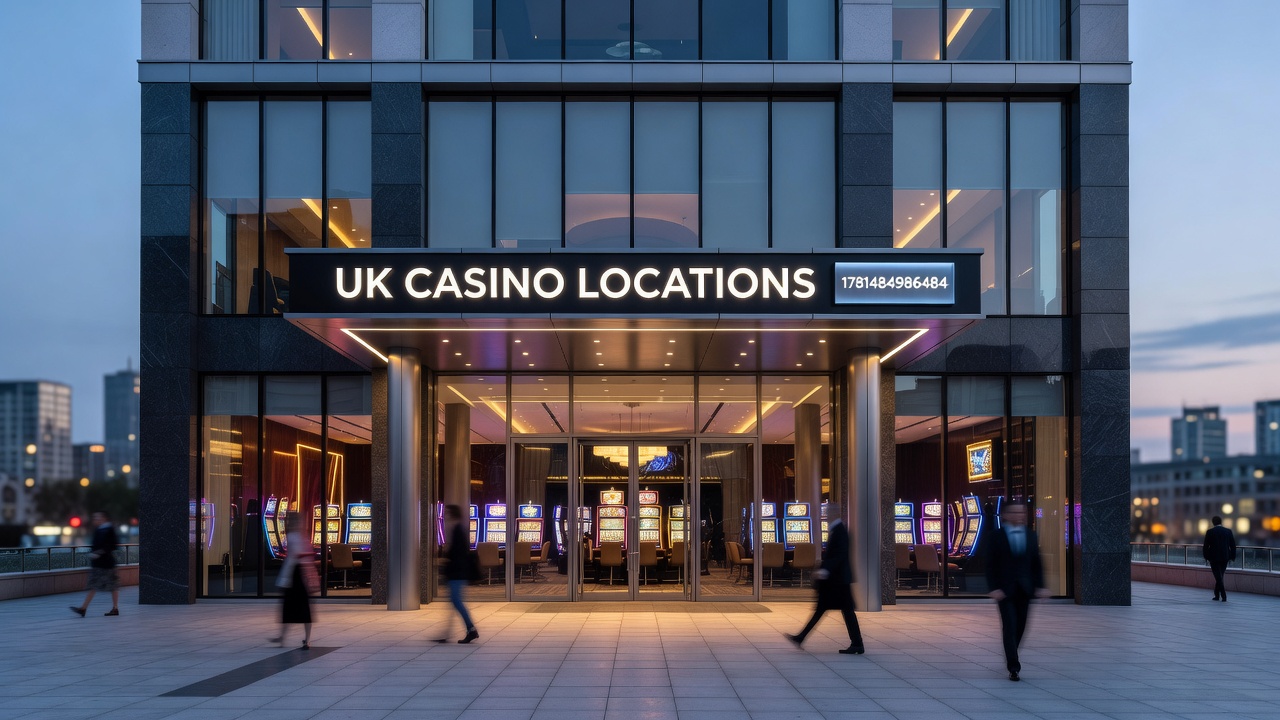
Casino Placement Patterns in the United Kingdom's Leading Cities
Casinos in the United Kingdom occupy carefully chosen positions within major urban centers where transport links and commercial districts converge, and operators select sites that balance accessibility with regulatory compliance across London, Manchester, Birmingham, and Edinburgh. These venues cluster near railway stations and city cores because such placements draw both local residents and visitors who arrive by train or foot from surrounding areas, while data released in June 2026 from the European Casino Association highlights how proximity to public transport correlates with higher footfall at licensed premises.
London Venues and Their Central Positions
London hosts the largest concentration of casinos in the country with establishments situated in Westminster, Mayfair, and the City of London where historic buildings have been repurposed for gaming floors that feature roulette, blackjack, and poker tables. One might notice that many sit within walking distance of underground stations such as Leicester Square and Piccadilly Circus, which allows players to reach them without relying on additional transport after evening hours, and researchers have mapped these locations to show clusters that avoid residential zones in favor of mixed commercial districts. Observers note that several properties also maintain direct access from hotel lobbies, creating seamless transitions for overnight guests who combine accommodation with table games.
Manchester and Birmingham Configurations
Manchester casinos occupy prominent spots near the city center and along Deansgate where converted warehouses and purpose-built structures house extensive gaming areas, and similar patterns appear in Birmingham where venues cluster around Broad Street and the International Convention Centre. Those who've studied site selection explain that both cities position casinos close to major rail terminals so commuters from surrounding regions can extend their journeys into evening entertainment, while June 2026 industry reports indicate steady expansion in these northern and midland hubs as operators renovate older buildings to meet updated accessibility standards. People often find that poker rooms in these locations operate extended hours that align with shift patterns of local workers, and floor plans typically separate high-limit tables from general gaming zones to accommodate different player preferences.
Edinburgh and Additional Regional Sites
Edinburgh casinos stand near the historic Royal Mile and Princes Street where tourists already congregate, and operators have integrated gaming spaces into larger leisure complexes that include restaurants and bars. Similar arrangements exist in Liverpool, Glasgow, Cardiff, and Newcastle where venues sit within short distances of waterfront developments or central shopping districts, and analysts have documented how these placements leverage existing foot traffic from cultural events and sports matches. Data from the International Center for Gaming Regulation shows that cities with strong tourism infrastructure maintain higher numbers of licensed tables per capita compared with smaller towns, which explains the geographic spread across these secondary locations.
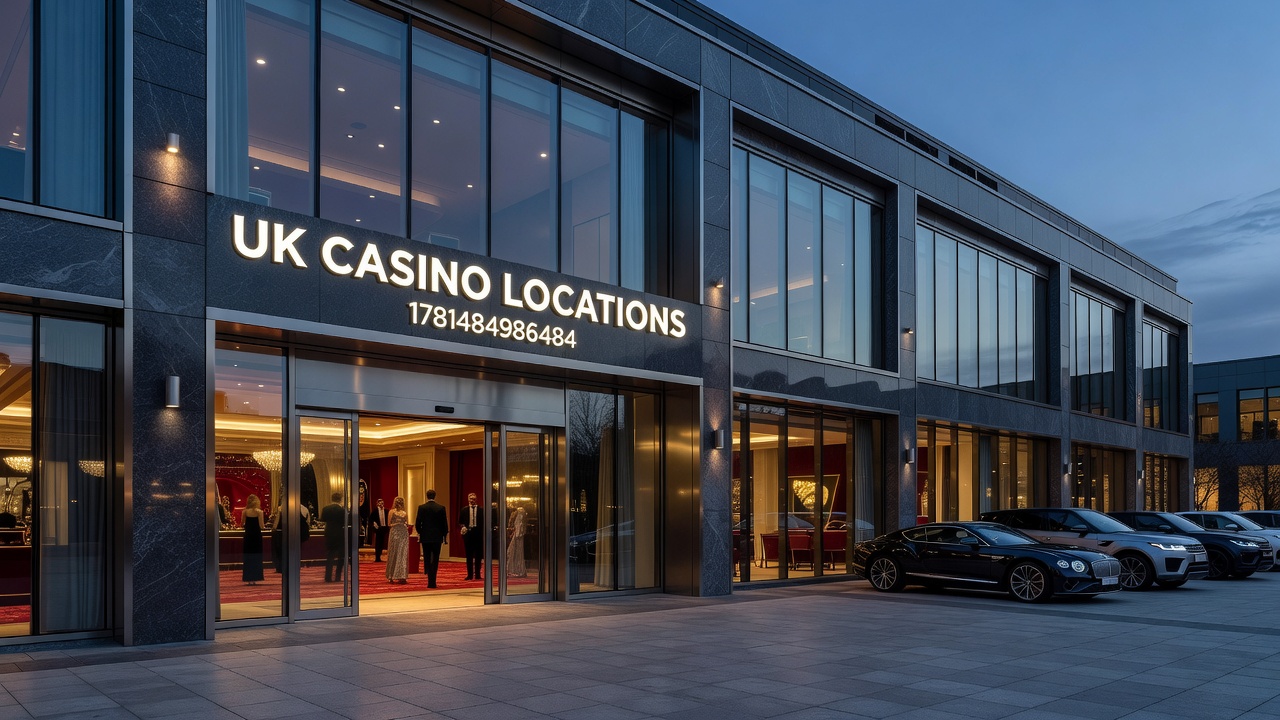
What's interesting is how operators in these cities coordinate with local planning authorities to ensure noise mitigation measures allow late-night operations without disturbing nearby residents, and case studies reveal successful examples where soundproofing and staggered closing times have addressed community concerns while preserving business viability.
Transport Links and Accessibility Factors
Many UK casinos benefit from direct connections to national rail networks and urban transit systems, which reduces travel barriers for players who arrive from outside the immediate city limits, and this connectivity proves especially relevant for venues near stations in Manchester, Birmingham, and Edinburgh. Experts have observed that sites positioned within 500 meters of major transport hubs record consistent visitor numbers throughout the week, whereas more isolated locations experience sharper fluctuations tied to weekend peaks. Those mapping these patterns emphasize that pedestrian pathways, taxi ranks, and nearby parking facilities all contribute to the overall convenience that influences where new licenses receive approval.
June 2026 Developments in Site Planning
Updates published in June 2026 noted several approved expansions at existing properties in London and Manchester where operators added dedicated live dealer areas and upgraded poker facilities without relocating the main buildings, and these changes reflect ongoing adaptation to player demand for varied gaming formats. Regulatory reviews continue to evaluate proposed sites in growing districts around Birmingham and Edinburgh, with particular attention paid to traffic flow and public safety considerations that accompany increased evening activity. Industry organizations such as the American Gaming Association have published comparative studies on urban casino integration that UK planners reference when assessing new applications.
Conclusion
The geographic distribution of UK casinos continues to follow patterns shaped by transport infrastructure, commercial density, and local planning frameworks that prioritize accessibility alongside community impact management. Venues across London, Manchester, Birmingham, Edinburgh, and other cities maintain positions that align with broader urban development goals, and ongoing data collection supports informed decisions about future placements. Additional resources from the Responsible Gambling Council provide further context on how location influences player behavior and regulatory oversight in multiple jurisdictions.