Casino Floor Dynamics: How Layout Strategies Boost Engagement in Live Dealer and Poker Areas at Lesser-Known UK Venues
Avery Vogel · Aug 8, 2026
Casino Floor Dynamics: How Layout Strategies Boost Engagement in Live Dealer and Poker Areas at Lesser-Known UK Venues
Lesser-known UK venues have refined floor layouts to guide player movement toward live dealer tables and poker pits, and data from venue reports indicate these adjustments increase dwell time in those sections by measurable margins. Observers note that strategic placement of high-traffic pathways funnels guests past peripheral gaming zones before they reach the core live areas, which creates natural exposure without forced direction. Research from industry analyses shows that venues incorporating curved aisle designs rather than straight corridors report higher table occupancy rates during peak evening hours.
Live Dealer Table Configurations
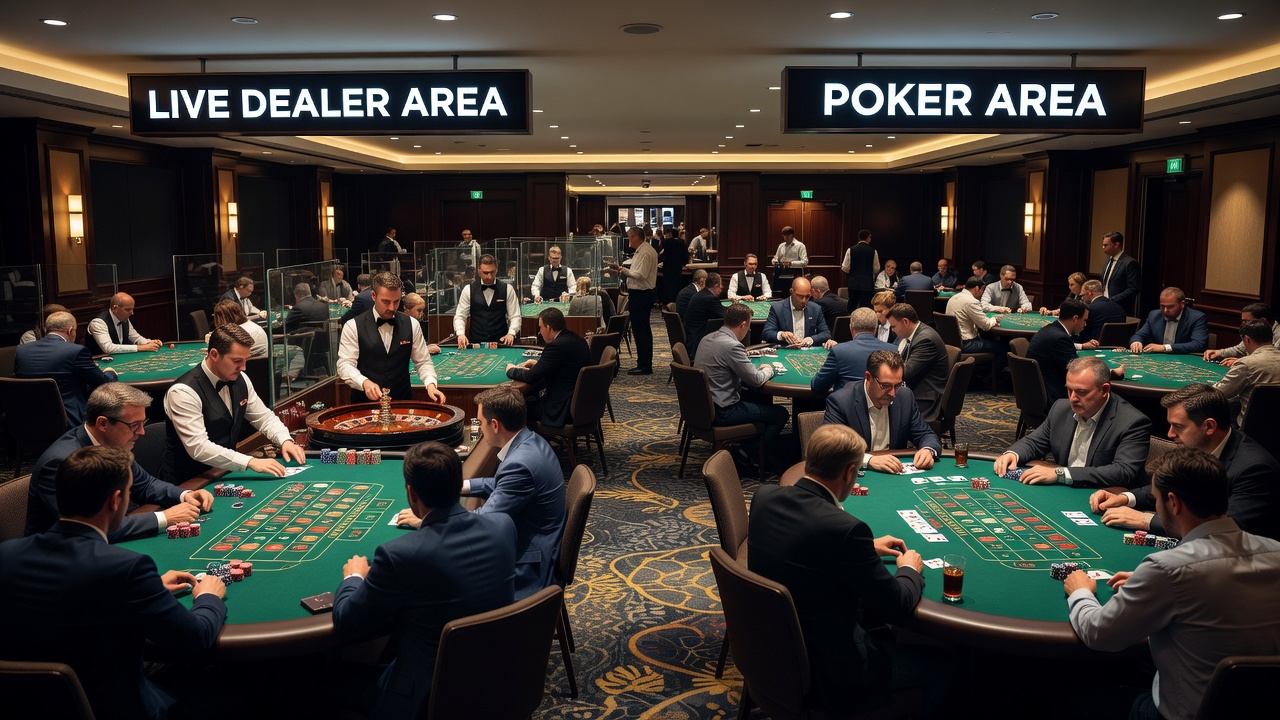
Venues in regional cities often position live dealer tables in clustered formations that allow multiple sightlines from surrounding walkways, and this setup lets players scan available games before committing to a seat. According to findings published by the American Gaming Association, similar clustering patterns correlate with elevated engagement metrics across mid-sized properties. Lighting gradients that dim gradually toward the tables further draw attention while maintaining visibility for dealers and surveillance systems, whereas brighter perimeter zones encourage steady foot traffic without creating bottlenecks.
Seating arrangements around live dealer stations follow patterns that leave open space on one side of each table, which permits easier access for standing observers and promotes social interaction that extends session lengths. Those who've examined operational logs at several lesser-known sites report that such configurations reduce wait times for new players joining ongoing rounds, particularly during summer months when visitor numbers rise.
Poker Pit Design Elements
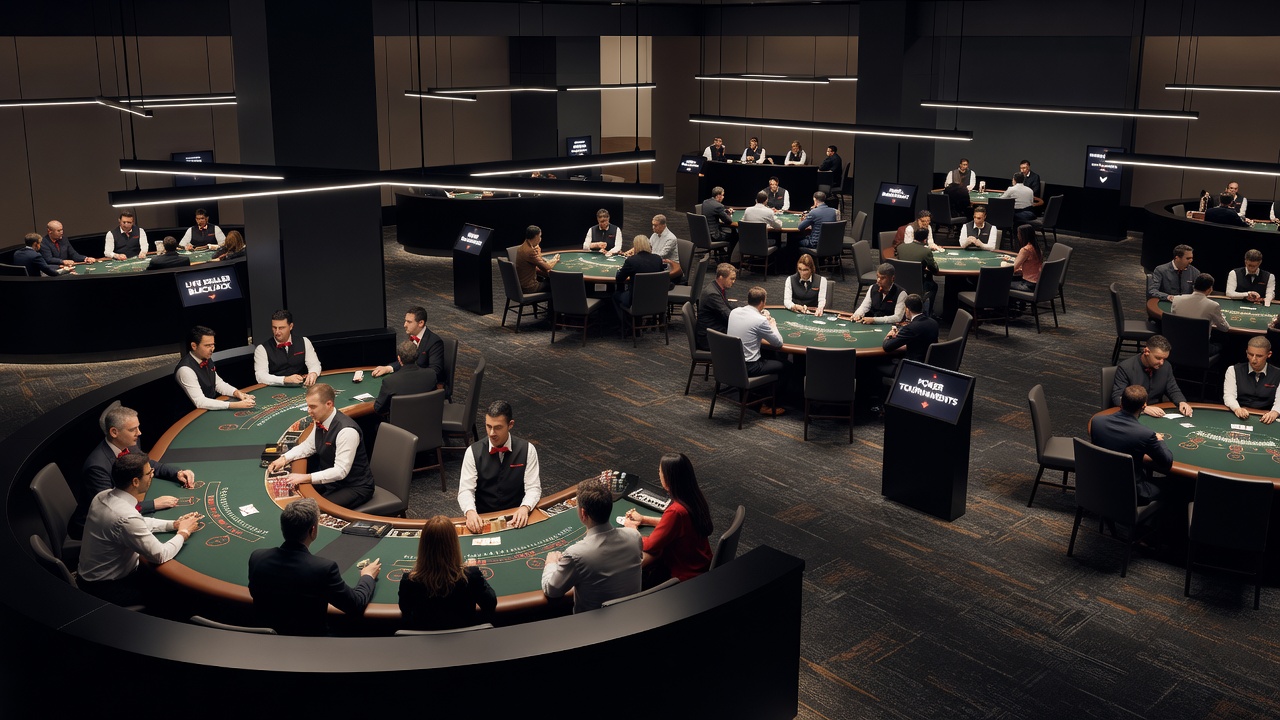
Poker areas in these venues typically feature semi-enclosed pits with low barriers that separate them from main floors yet keep them visible to passing guests, and this balance supports both focused play and casual observation. Data compiled by the University of Nevada's International Gaming Institute reveals that pits with adjustable divider heights see increased tournament participation because spectators can track action without disrupting seated players. Tournament schedules posted near pit entrances, combined with clear signage, direct interested parties efficiently, while adjacent lounge seating provides rest points that keep groups on site longer.
Traffic flow studies conducted at comparable properties highlight how staggered table alignments prevent crowding at chip exchange points during busy periods. In August 2026, several venues implemented minor adjustments to these alignments based on heat-mapping data, resulting in smoother transitions between cash games and scheduled events.
Integrated Flow Between Areas
Connections between live dealer zones and poker pits often include transitional spaces equipped with standing-height tables for quick wagers, which serve as entry points that ease players into longer commitments. Figures from European gaming reports indicate these intermediary zones boost crossover traffic when positioned along natural walking routes rather than in dead-end corners. Venues that align these features with nearby refreshment stations notice sustained activity because guests remain in the gaming vicinity instead of dispersing to distant amenities.
Acoustic considerations play a role as well, with sound-dampening materials around poker pits minimizing spillover noise from louder live dealer environments. This separation helps maintain concentration during extended hands while still allowing ambient energy from adjacent tables to contribute to an engaging atmosphere, according to design evaluations shared by trade associations.
Conclusion
Layout choices in lesser-known UK venues demonstrate measurable effects on how players interact with live dealer and poker sections, and ongoing refinements based on usage patterns continue to shape these spaces. Evidence from multiple sources underscores that deliberate placement, lighting, and connectivity elements work together to support higher engagement levels without relying on promotional tactics alone.