British Casinos Bet Big on Tech and Safer Play: What's Shaking Up the Scene
Freya Butler · Apr 10, 2026
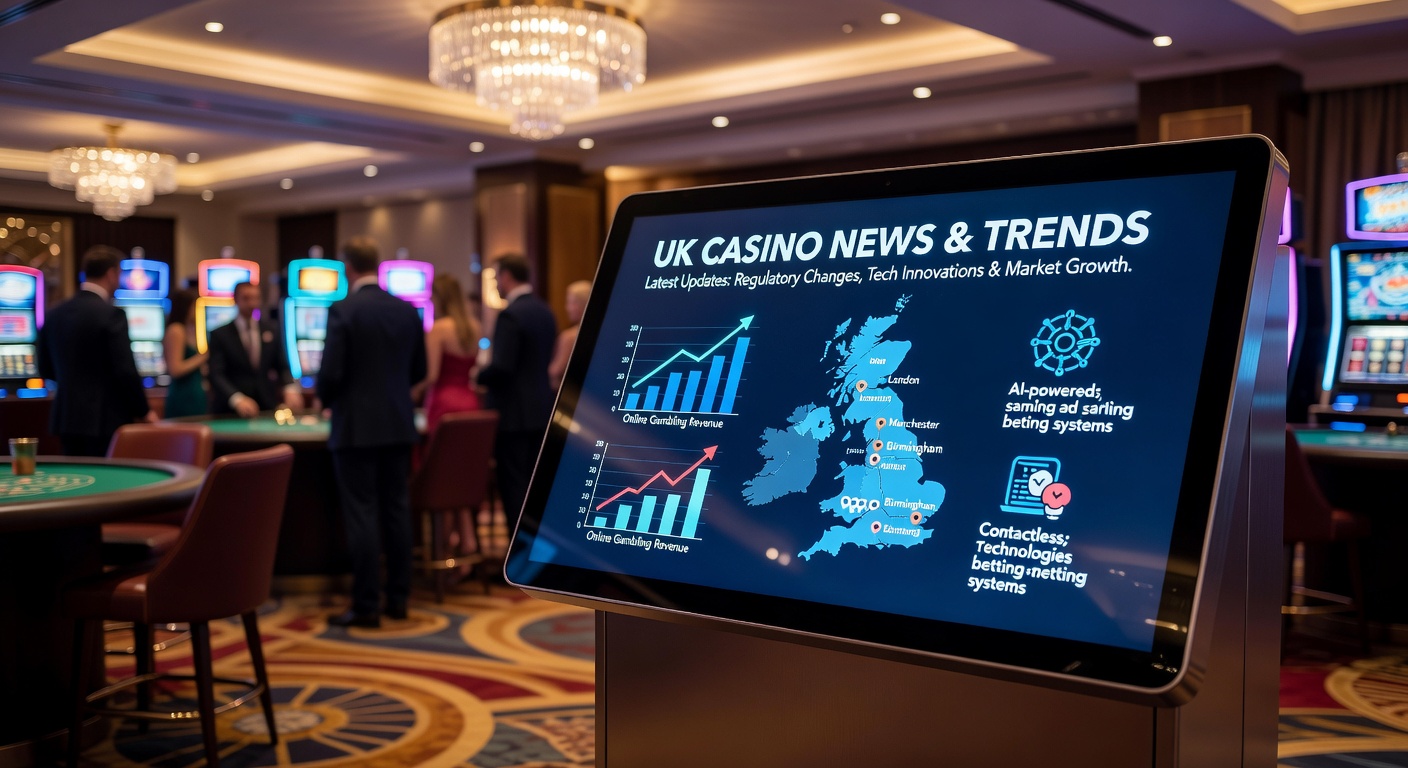
UK Gambling Commission Strengthens Casino Oversight with Updated 10-Day MSB Reporting Mandate
The Latest Directive from the Regulator
Casinos across the UK now face a sharpened requirement to notify the UK Gambling Commission within just 10 days of starting or stopping money service business activities, a move that builds directly on earlier guidance while ramping up transparency in an area long under scrutiny. Third-party cheque cashing and foreign currency exchange top the list of services triggering this obligation, services casinos have offered for years to accommodate high-rollers and international visitors who need quick cash access without banking delays. Operators must fire off an email to msb@gamblingcommission.gov.uk packed with precise details: full business name, licence number, exact start or end date for the activity, and a clear description of the MSB type involved, ensuring regulators get a real-time pulse on nationwide operations.
But here's the thing; this isn't happening in a vacuum, as the update ties into broader financial rules, demanding casinos flag any activities falling under The Payment Services Regulations 2017 that might need Financial Conduct Authority authorisation or registration, a layer that catches things like payment initiation or account information services if they creep into casino offerings. Issued in April 2026, this refreshed notice replaces a version from 9 February 2026, refining the process amid ongoing efforts to monitor potential money laundering risks in gaming venues where large sums change hands daily.
Take one scenario experts have observed: a casino in Manchester launches a forex desk to handle euros for European tourists during a big poker tournament, triggering the 10-day clock the moment operations kick off; miss it, and compliance headaches follow, since the Gambling Commission uses these reports to map MSB footprints across the country.
Diving into Money Service Businesses in the Casino World
Money service businesses, or MSBs, encompass a range of financial handling that casinos provide as conveniences, from cashing personal or third-party cheques to exchanging currencies at competitive rates, activities regulated under the Money Laundering, Terrorist Financing and Transfer of Funds (Information on the Payer) Regulations 2017 to curb illicit flows. Casinos don't just spin roulette wheels; they act as cash hubs too, especially in spots like London's Hippodrome or Birmingham's Star City where patrons arrive with foreign bankrolls or winnings in cheque form needing instant liquidity for more play or travel.
What's interesting is how these services dovetail with gambling's high-volume cash environment, where a single blackjack table might see thousands exchanged per hour, making oversight crucial; data from regulatory filings shows hundreds of UK casinos engage in some MSB form, though exact figures fluctuate with seasonal demands like summer festivals or winter race meets. Observers note that without prompt reporting, gaps emerge in tracking who offers what, potentially leaving blind spots for anti-money laundering teams scanning for suspicious patterns.
And while the core MSB types remain cheque cashing and forex, the notice stresses inclusivity, urging casinos to report variations like traveller's cheques or even wire transfer facilitation if they qualify, ensuring no stone goes unturned in the regulatory net.
- Third-party cheque cashing: Clearing cheques not issued to the casino itself, often from players' winnings elsewhere.
- Foreign exchange: Converting pounds to dollars or yen right at the cage, a staple for global crowds.
- Payment services overlap: Anything mimicking electronic money issuance or funds transfer under 2017 regs.
People who've studied casino operations point out that these services boost footfall, yet they demand robust record-keeping, now amplified by the 10-day rule that shortens what was once a more lenient timeline.
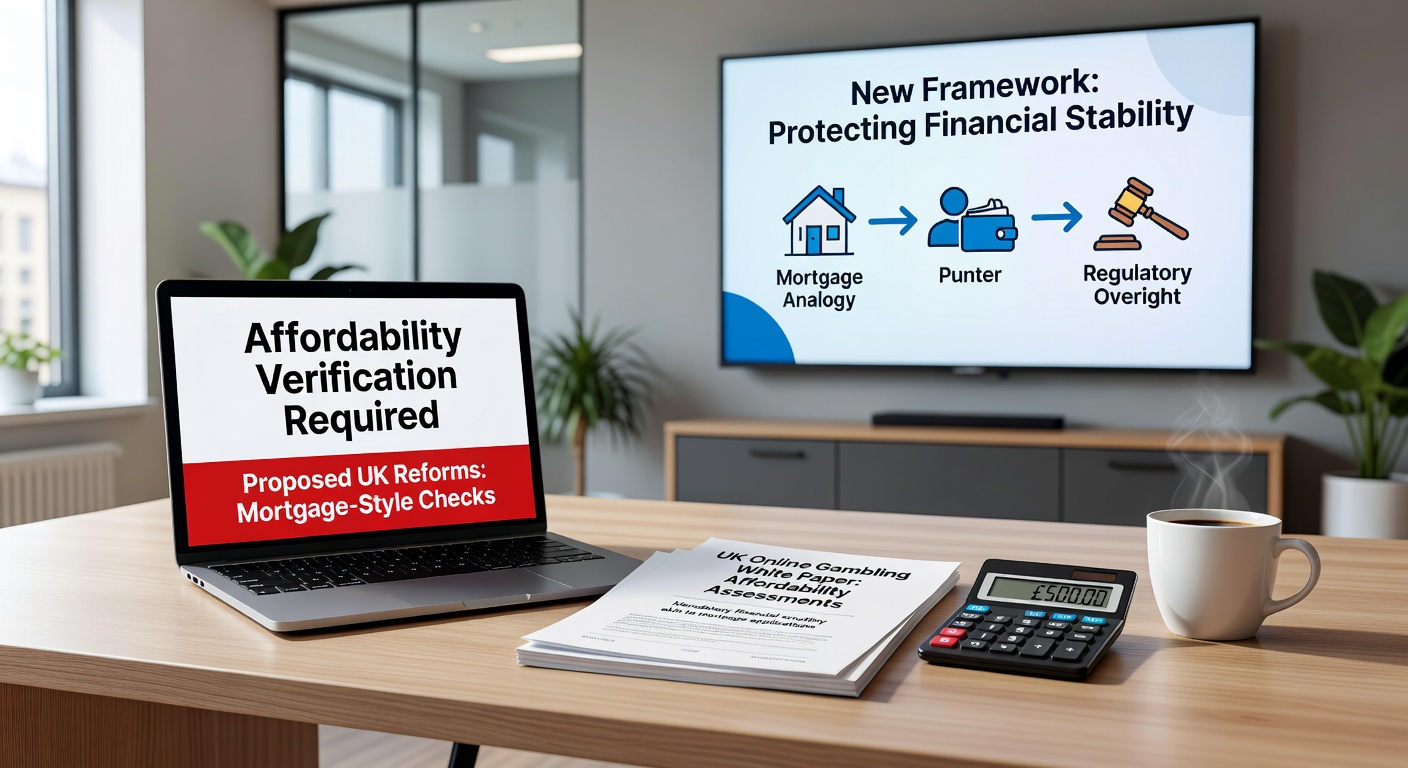
From February to April: How the Notice Evolved
The original notice dropped on 9 February 2026, laying groundwork by asking casinos to self-report MSB involvement voluntarily, but compliance proved spotty, prompting this April update that flips the script to a hard 10-day mandate for beginnings and endings alike. Regulators found the initial approach useful for baseline data, yet gaps persisted, especially with casinos dipping in and out of services seasonally; now, the email protocol standardizes everything, from licence verification to service specifics, creating a centralized database for better enforcement.
Turns out, this tweak aligns with the Gambling Commission's wider AML push, as outlined in related notices on anti-money laundering, where casinos rank as "high-risk" for laundering due to anonymous cash-heavy play. One case researchers highlight involves a regional venue that shuttered its cheque service mid-year without notice, only flagged later through audits; under the new rules, that ends abruptly, with operators compelled to loop in msb@gamblingcommission.gov.uk pronto.
So, for a casino wrapping up forex ops after a quiet winter, the clock starts ticking on closure day, demanding details within 10 business days, a rhythm that keeps the industry in sync with oversight bodies while minimizing administrative lag.
Key Details Casinos Must Submit and Why It Matters
Precision rules the reporting process; casinos submit their full legal name as registered with the Commission, the unique licence number tying back to official records, the precise date activity commenced or ceased, and a straightforward breakdown of the MSB service, whether it's cheque cashing for third parties or currency swaps at the front desk. Emailing msb@gamblingcommission.gov.uk ensures direct routing to dedicated monitors, bypassing general channels for speed.
But wait, there's more: the notice explicitly calls out Payment Services Regulations 2017 overlaps, where casinos handling customer funds electronically might need FCA nods for safeguarding or payment processing; figures indicate a handful of venues have tangled here before, facing fines for unregistered ops. Experts who've parsed similar regs note that while most stick to basic cash services, the reminder prevents drift into authorized territory without proper checks.
It's noteworthy that non-compliance risks escalate; although the notice focuses on notification, it feeds into licence conditions where MSB mismanagement can trigger reviews or penalties, as seen in past enforcement actions against under-reporting operators. Casinos in hotspots like Edinburgh or Cardiff, with heavy tourist traffic, stand to feel this most, juggling compliance amid peak hours.
Broader Regulatory Landscape and Casino Adaptations
This update slots into the Gambling Act 2005 framework, where operators hold personal licences mandating financial probity, yet MSBs add a federal layer via HM Treasury oversight; the Commission collaborates with the FCA here, sharing intel to police crossovers effectively. Studies of past notices reveal response rates climbed post-initial 2026 guidance, but the 10-day crunch aims higher, targeting 100% capture of activity shifts.
Now, operators adapt swiftly: compliance teams drill the email template, integrating it into onboarding checklists for new services, while software vendors roll out MSB trackers synced to Gambling Commission portals. One operator shared in industry forums how they automated alerts for service toggles, shaving days off reporting; such tools proliferate, making the mandate less burdensome despite the tightness.
Yet challenges linger for smaller venues, where staff double as cashiers and reporters; training logs show upticks in MSB modules since February, preparing for the April pivot. The reality is, this enhances visibility without overhauling core ops, letting casinos focus on gaming while regulators handle the ledger.
Conclusion
As April 2026 unfolds, the UK Gambling Commission's updated MSB notice cements a proactive stance on casino financial services, mandating 10-day reports that illuminate cheque cashing, forex, and payment overlaps nationwide. Building from February's foundation, it streamlines oversight via msb@gamblingcommission.gov.uk submissions complete with names, licences, dates, and descriptions, while nodding to FCA-regulated realms. Casinos navigate this with tech aids and training, closing gaps that once hindered AML efforts; in the end, clearer reporting fortifies the sector's integrity, keeping high-stakes play on the level for all involved.