Britain's Casino Landscape: The Shift from Warehouse Conversions to Contemporary Leisure Destinations
Jonas Becker · Jun 1, 2026
Britain's Casino Landscape: The Shift from Warehouse Conversions to Contemporary Leisure Destinations
Britain's casino venues have undergone steady architectural transformations over recent decades as operators adapted disused industrial structures into functional gaming spaces, and these changes accelerated with updates in planning regulations that allowed more flexible reuse of commercial properties in urban zones.
Early Conversions from Industrial Sites
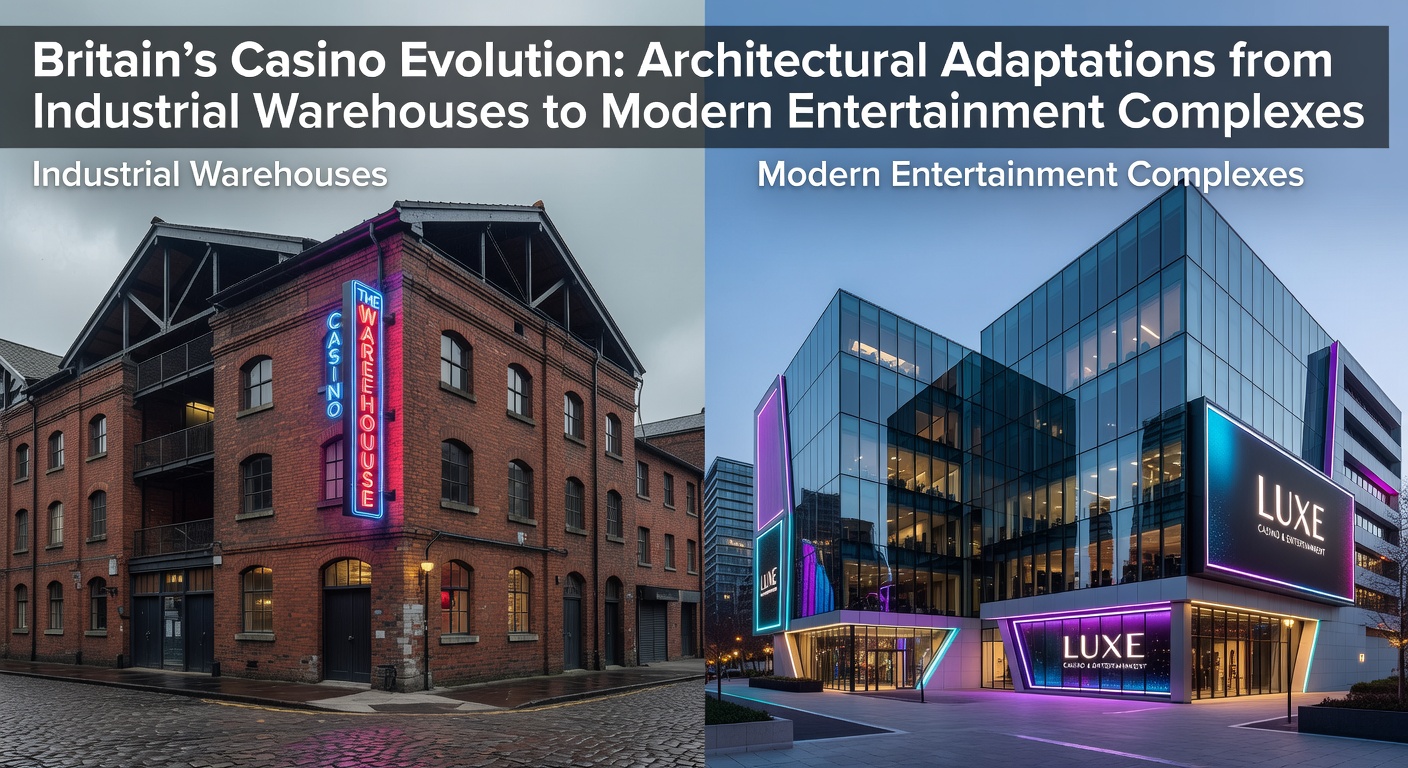
Many facilities began as straightforward repurposing projects where large warehouse shells provided open floor plans ideal for gaming tables and machine banks while retaining original steel beams and concrete floors that kept construction costs contained. Observers note that cities with strong manufacturing histories offered abundant options for such adaptations since vacant buildings sat ready for minimal structural intervention yet delivered the square footage needed for slot areas alongside basic bar setups. Research from industry groups shows these early sites often featured simple partitions to separate gaming zones from service areas whereas natural light from high windows helped maintain an airy feel despite the enclosed nature of the original builds.
Take one conversion in northern England where a former textile mill gained new life through added mezzanine levels that created space for private gaming rooms above main floors and this approach preserved exterior brickwork that aligned with local heritage guidelines while allowing internal modernization for electrical systems and climate control. Data indicates similar patterns appeared across multiple regions as developers recognized warehouses offered quick paths to operational readiness compared with ground-up construction in tight city centers.
Integration of Modern Design Elements
As demand grew facilities incorporated more sophisticated layouts that blended retained industrial aesthetics with contemporary entertainment features such as integrated dining zones and performance stages. Architects frequently retained exposed piping and ductwork as stylistic choices that gave venues a distinctive character while adding soundproofing and LED lighting systems that enhanced player experiences without altering core building envelopes. Those who've studied these adaptations point out that structural reinforcements became common to support heavier equipment loads and multi-level expansions that turned single-story warehouses into multi-function complexes.
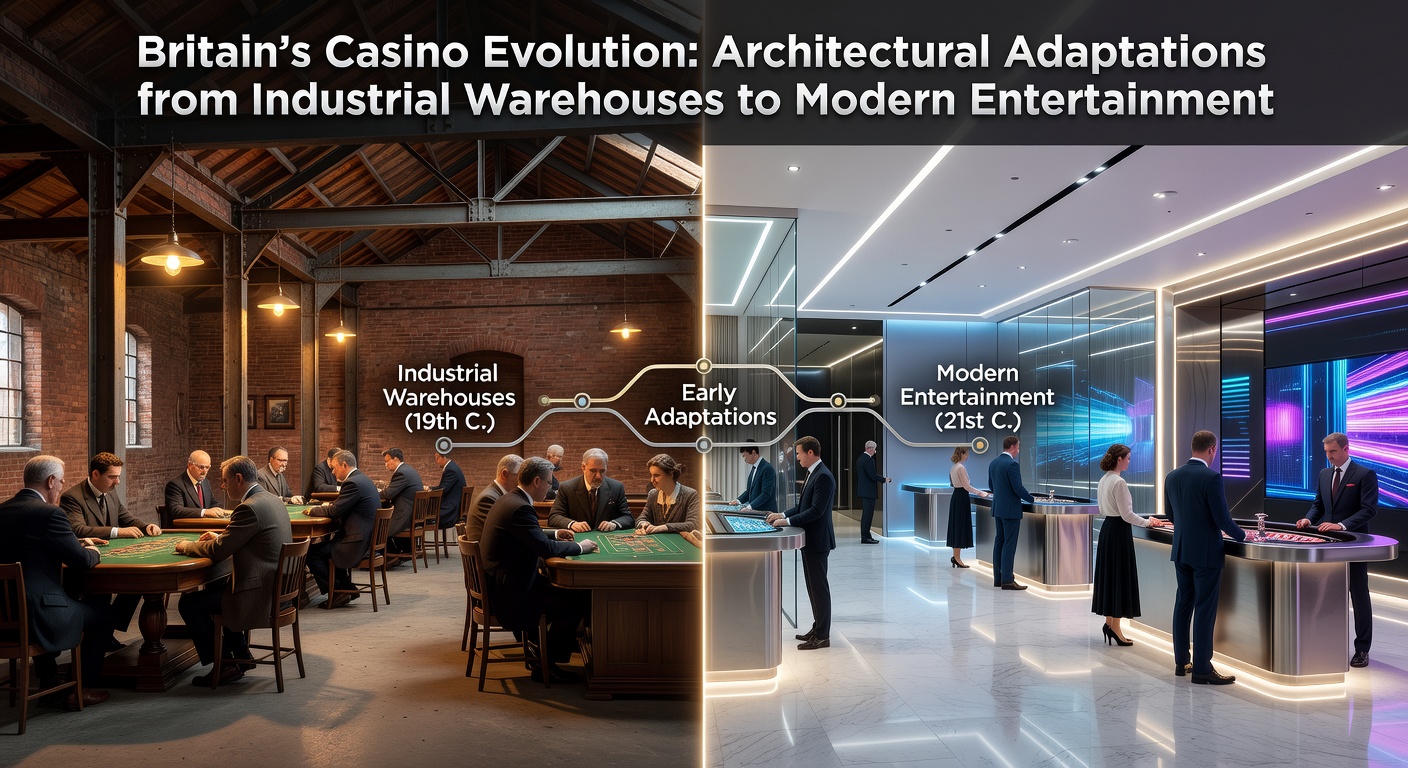
What's interesting is how later projects introduced glass atriums and external facades that contrasted yet complemented original masonry creating visual markers that drew visitors while complying with urban development standards. Figures from trade analyses reveal that such hybrid designs boosted foot traffic in previously underused industrial districts and encouraged surrounding commercial growth around the venues. And operators began prioritizing accessibility upgrades like wider entrances and ramps that aligned with broader public infrastructure improvements.
Regional Patterns and Scale Increases
Venues in major transport hubs often followed parallel tracks where proximity to rail lines influenced site selection and building choices because large warehouse footprints near stations allowed easy access for regional visitors. One case in central Scotland involved an old distribution center that expanded into a full entertainment destination with added hotel wings connected via covered walkways that maintained flow between gaming and lodging areas. External data from the American Gaming Association highlights comparable reuse trends in other markets where industrial conversions supported rapid scaling of leisure offerings.
By mid-2026 several projects are scheduled to open with enhanced sustainability measures such as solar-integrated roofs on former warehouse sites and these additions reflect evolving standards for energy efficiency in large public venues. Researchers discovered that such adaptations not only cut operational expenses but also met tightening environmental codes across Britain while preserving the economic benefits of reusing existing structures rather than developing greenfield sites.
Technical and Functional Upgrades
Modern complexes now feature advanced HVAC systems and digital infrastructure layered over original frameworks and these upgrades enable year-round comfort along with seamless integration of live dealer technology and event spaces. Observers note that acoustic treatments became essential in multi-use environments where poker tournaments share space with concerts yet the core warehouse volumes provided natural acoustics that required only targeted refinements. Studies from European industry bodies show these layered approaches delivered higher capacity without proportional increases in land use and this efficiency proved valuable in densely populated areas.
Another example appears in midlands locations where adaptive reuse projects added underground parking beneath converted floors to address visitor volume while the surface retained open plazas that connected the venue to nearby public transport. Such solutions demonstrate how initial industrial layouts offered flexibility for phased expansions that responded to shifting market needs over time.
Conclusion
The progression from basic warehouse adaptations to integrated entertainment complexes illustrates how Britain's casino sector leveraged existing building stock to meet changing operational and regulatory requirements. Continued projects through 2026 and beyond will likely build on these foundations with further emphasis on mixed-use designs that combine gaming with broader leisure and hospitality functions. Data from sources including the Responsible Gambling Council supports ongoing monitoring of these developments to track their impact on regional economies and visitor patterns.