After-Hours Travel Networks Fueling Longer Stays at Gaming Venues in English Core Cities
Felix Klein · May 30, 2026
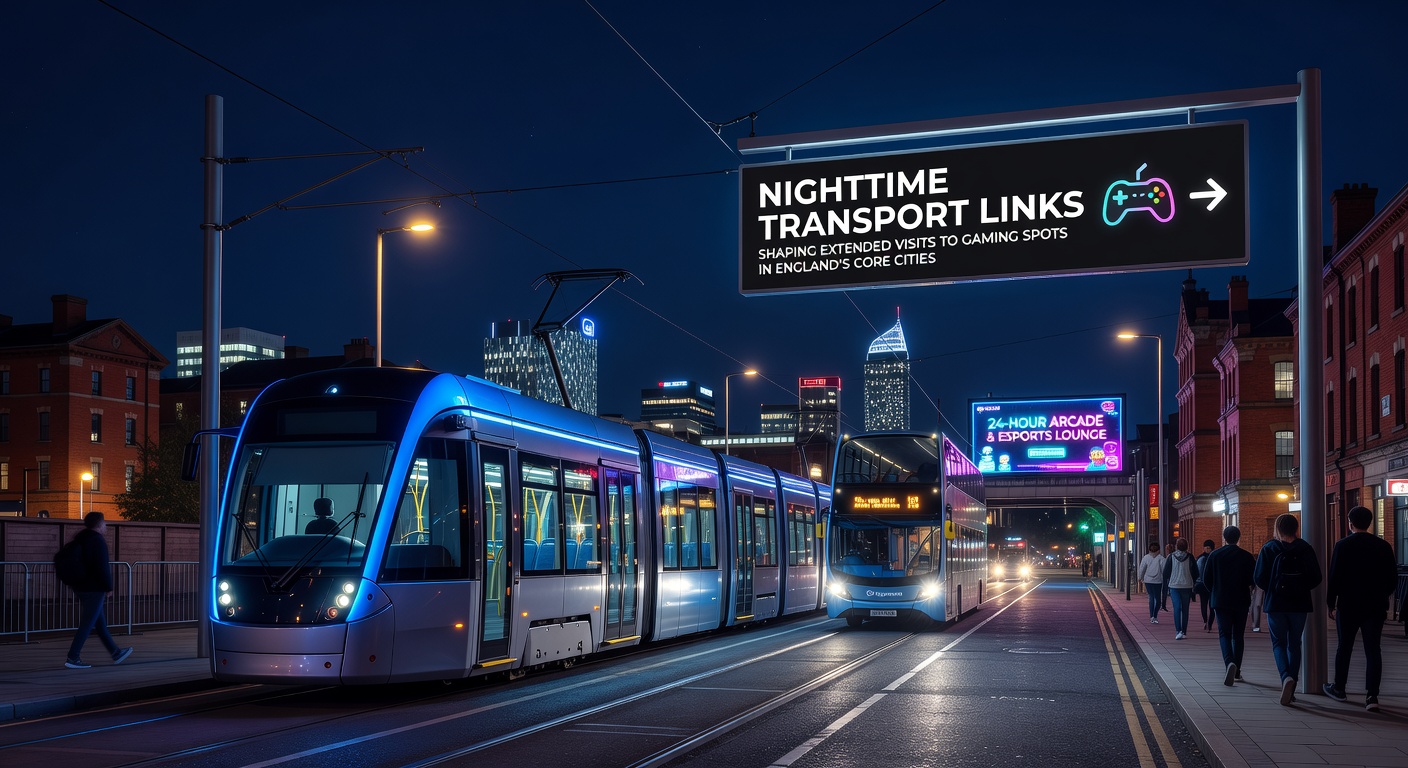
After-Hours Travel Networks Fueling Longer Stays at Gaming Venues in English Core Cities
England's core cities maintain extensive nighttime transport systems that connect rail terminals, bus stations and tram stops directly to casino locations, allowing visitors to extend their time at gaming venues well past midnight. These networks operate on scheduled frequencies that align with closing times at major sites in Manchester, Birmingham, Leeds and Liverpool, and data from urban mobility studies shows increased passenger volumes on late services near entertainment districts.
Manchester's Metrolink system runs trams until 1am on weekends with dedicated stops within walking distance of casino floors in the city centre, while bus routes such as the V1 and V2 provide additional coverage through the night. Observers note that these options reduce reliance on private vehicles and support longer visits because last services depart after standard gaming hours conclude.
Extended Rail and Bus Services in Birmingham and Leeds
Birmingham benefits from late-night rail connections at New Street station that link to surrounding areas, and several bus corridors operate until 3am on key corridors near the city's main gaming hubs. Research from transport planning groups indicates that these timings correspond with peak departure periods from venues, creating reliable return options for players who remain on site past 1am. Leeds follows a similar pattern with night buses serving the central district where multiple casinos cluster near the railway station, and schedules show consistent service intervals during the early morning hours.
Case Examples from Liverpool and Newcastle
In Liverpool the Merseyrail network extends operations on certain lines until after 2am on weekends, and bus services fill gaps around the waterfront and city centre gaming spots. Newcastle upon Tyne maintains a combination of Metro trains and night buses that reach the Quayside and central areas, with timetables adjusted seasonally to accommodate demand. Figures reveal steady ridership growth on these routes during periods when venues report higher attendance.
What's interesting is how coordination between operators and local authorities ensures that routes serving casino districts receive priority in late-night scheduling. One study from an international transport research institute found similar patterns in other urban centres where extended services correlate with increased activity in hospitality and leisure sectors. Those patterns hold in English cities where night transport directly supports access to gaming locations without requiring overnight accommodation.
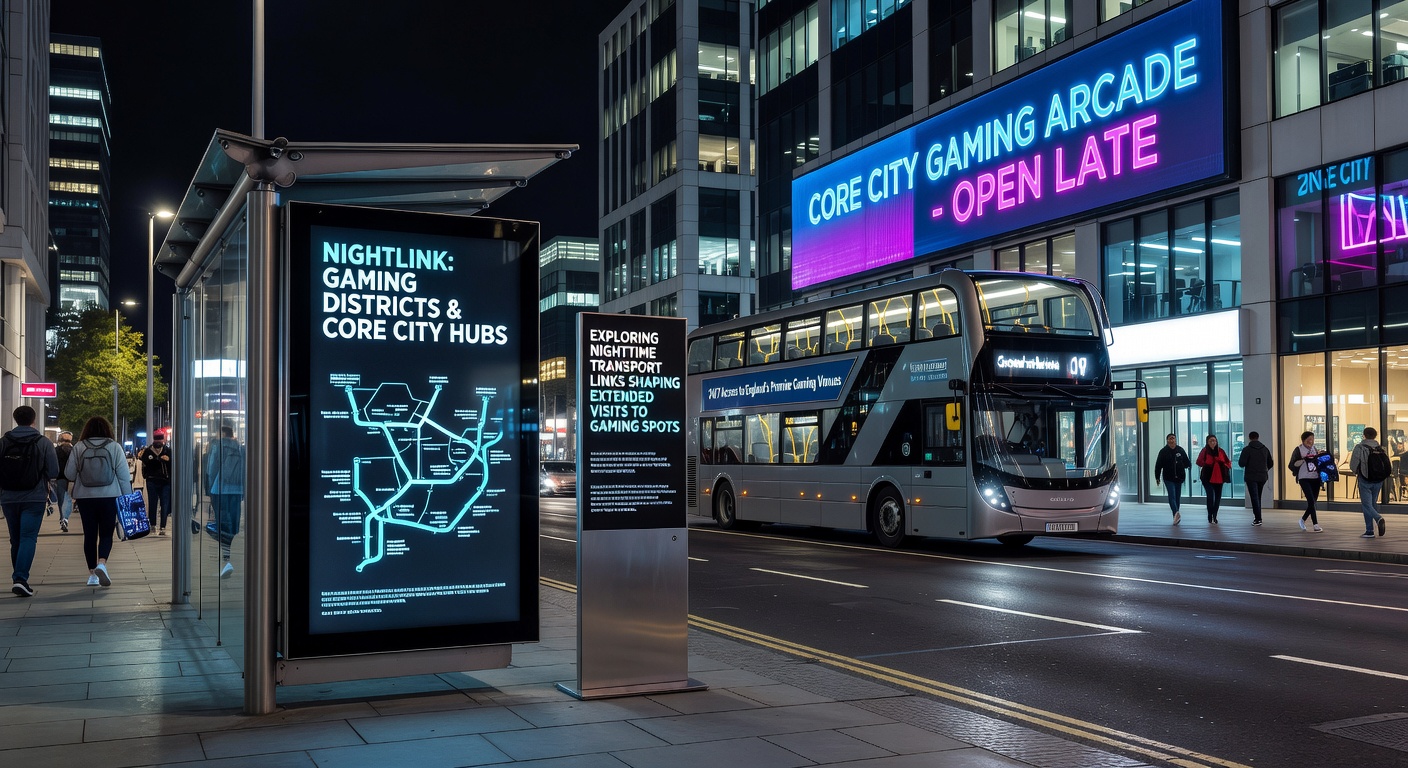
Impact of May 2026 Schedule Adjustments
Beginning in May 2026 several core cities plan incremental extensions to night services on existing lines, including additional tram departures in Manchester and extra bus loops in Birmingham. These changes stem from ongoing reviews of passenger data collected over previous years, and they align with venue operating hours that already stretch into the early morning. Planners expect the adjustments to maintain flow for visitors who choose extended sessions at gaming tables or machines.
Observers note that integration between different modes remains key, since a single missed connection can shorten a visit. Cities like Nottingham and Sheffield have tested combined tickets that cover both rail and local buses on the same journey, reducing friction for travellers heading to or from casino sites. Evidence from pilot programmes shows higher uptake when such options appear in station apps and venue information points.
Regional Variations Across Core Cities
Not all cities follow identical patterns, yet each maintains at least one reliable late service corridor near major gaming venues. Bristol relies on night buses that connect the centre to Temple Meads station, whereas Sheffield uses Supertram extensions paired with feeder buses. Data collected by regional transport bodies indicates that these variations reflect local geography and existing infrastructure rather than uniform national policy.
Take one operator in the North West that adjusted frequencies after reviewing ticket sales near casino clusters, resulting in better alignment with closing times. Similar reviews in the Midlands produced route tweaks that now serve two additional stops close to Birmingham venues. The result is a patchwork of services that collectively support prolonged visits without creating new infrastructure.
Conclusion
Nighttime transport links in England's core cities function as practical enablers for extended casino visits by matching service hours to venue schedules. Rail, tram and bus operators continue to refine timetables based on observed demand, with further adjustments scheduled from May 2026 onward. These systems remain focused on connectivity between stations and gaming districts, providing factual options for travellers who plan their departures around late-night activity.